Designers are moving away from overly sterile spaces in favor of interiors that feel layered, personal, and effortlessly polished. Think rich textures, moodier tones, sculptural furniture, and spaces that actually invite people to relax.
The best part? Many of this year’s biggest interior design trends don’t require a full remodel to pull off.
From cozy luxury to statement stone finishes, these are the home décor ideas quietly dominating stylish homes across the U.S. in 2026.
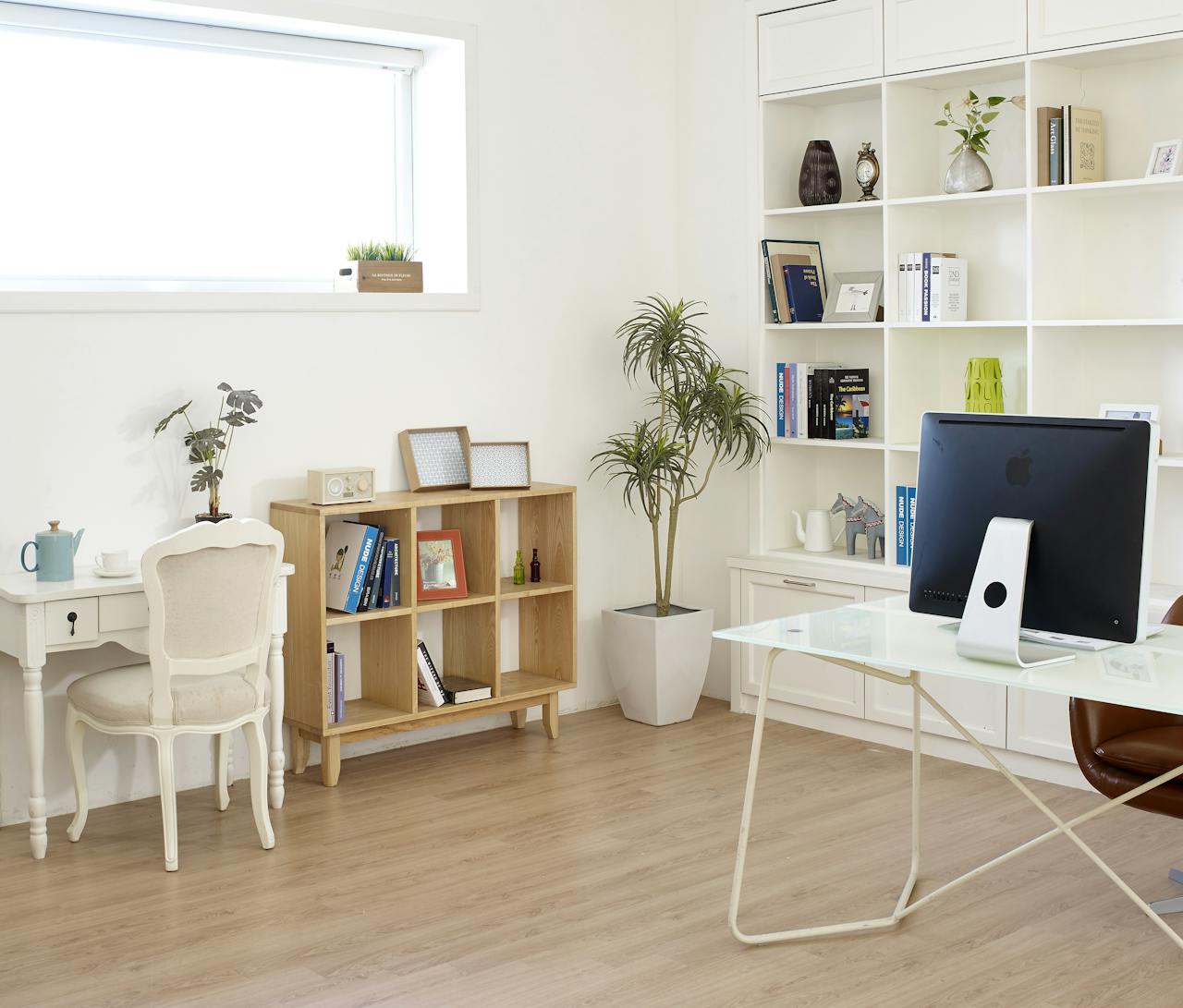
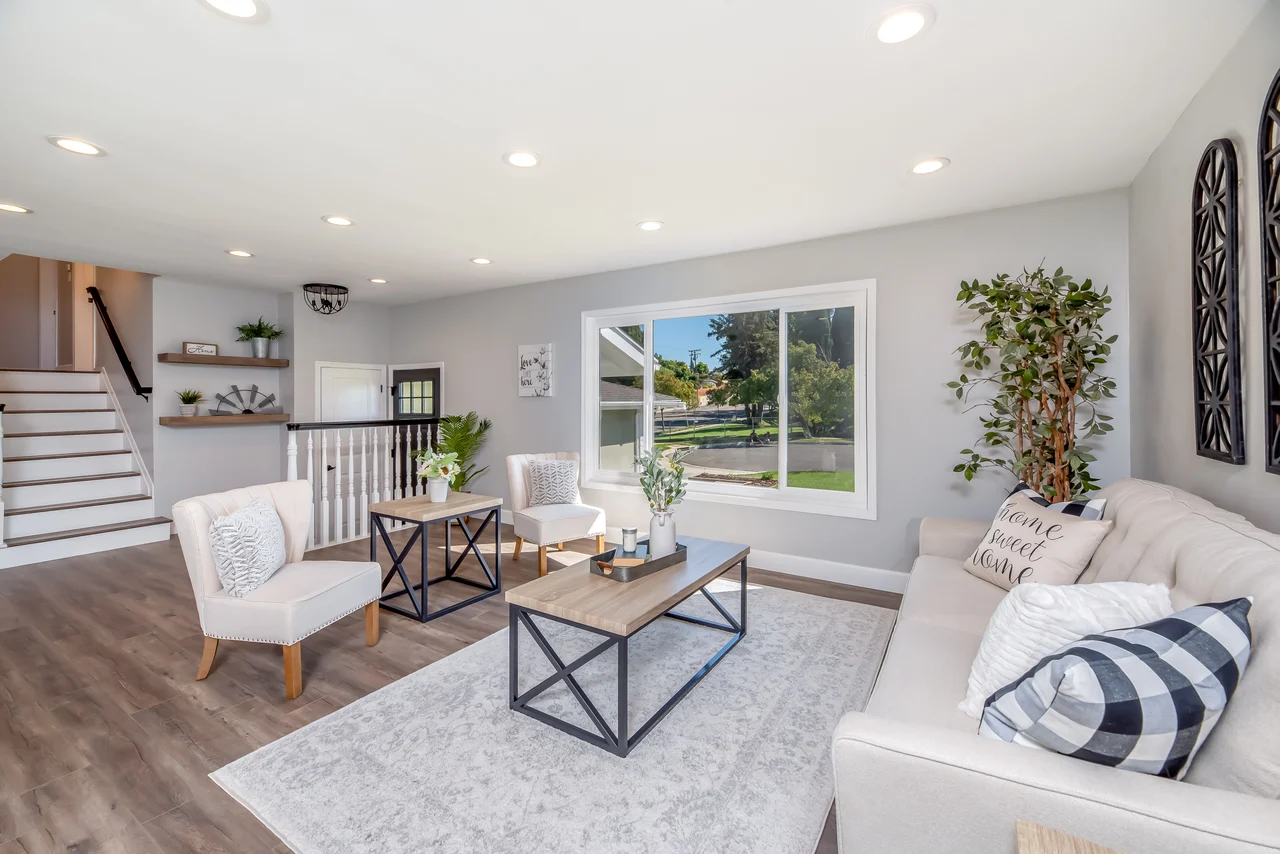
Warm Minimalism Is Replacing Cold White Interiors
For years, bright white interiors ruled social feeds and real estate listings. Now, homeowners are leaning into softer, warmer palettes that feel more livable.
Instead of stark whites and sharp contrasts, designers are embracing:
- Creamy neutrals
- Sand and oat tones
- Warm taupe walls
- Natural woods
- Linen textures
The overall effect feels calm, elevated, and timeless—without looking overly styled.
Why It Works
Warm minimalism creates a space that feels both luxurious and approachable. It photographs beautifully while still feeling comfortable in real life.
Statement Lighting Has Become the Jewelry of the Room
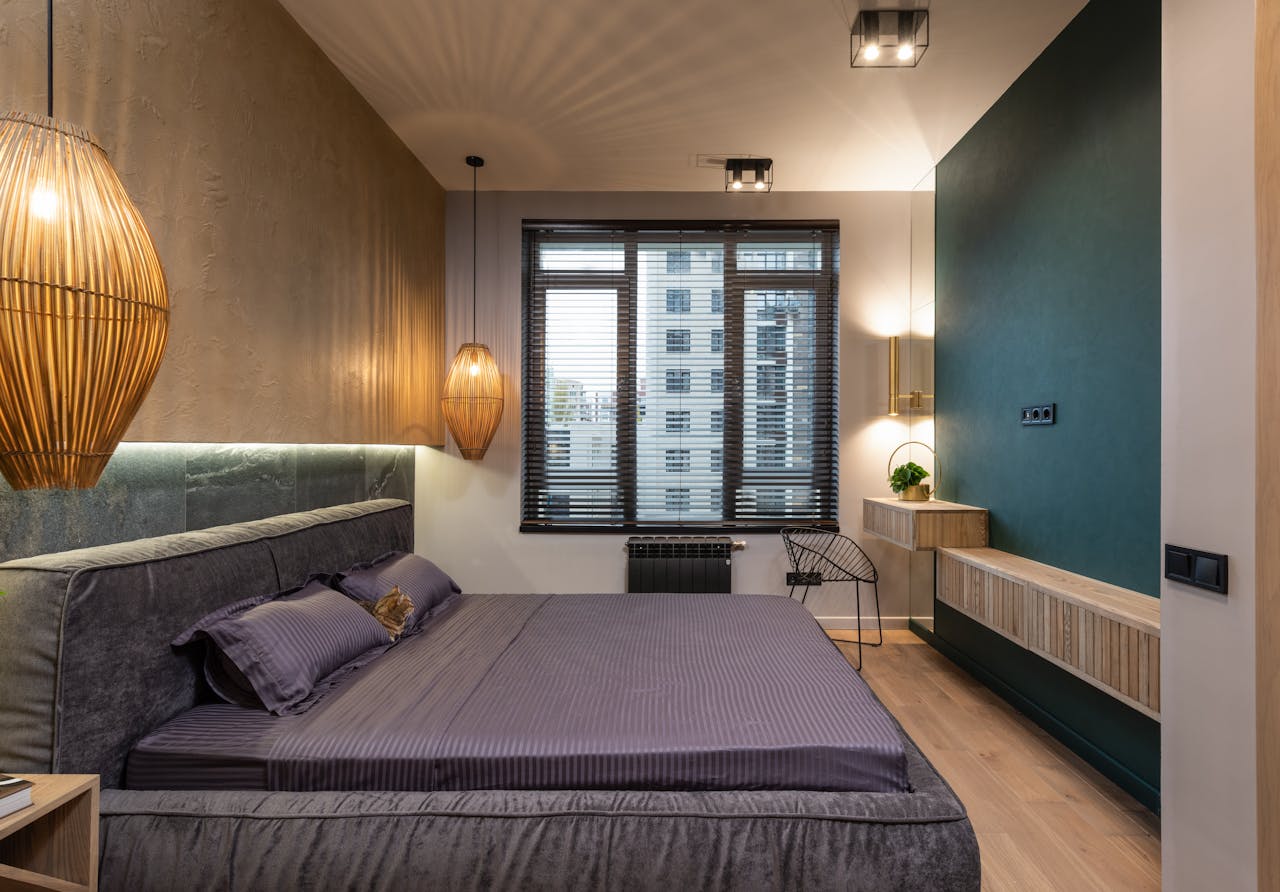
Oversized pendants, sculptural sconces, and artistic chandeliers are no longer reserved for luxury homes.
In 2026, lighting is acting as a focal point rather than just a functional detail.
Popular looks include:
- Organic-shaped fixtures
- Vintage-inspired brass finishes
- Layered ambient lighting
- Globe pendants
- Textured fabric shades
Designers say upgrading lighting is one of the fastest ways to make a room feel custom and high-end.
Moody Paint Colors Are Taking Over Dining Rooms
Soft beige may still dominate living spaces, but dining rooms are getting dramatically darker.
Deep olive, charcoal blue, espresso brown, and muted plum are becoming go-to shades for homeowners looking to add sophistication without overwhelming the space.
The Appeal
Darker paint colors instantly create intimacy and depth—especially when paired with warm lighting and natural textures.
It’s one of the easiest ways to make a home feel designer-inspired without replacing furniture.
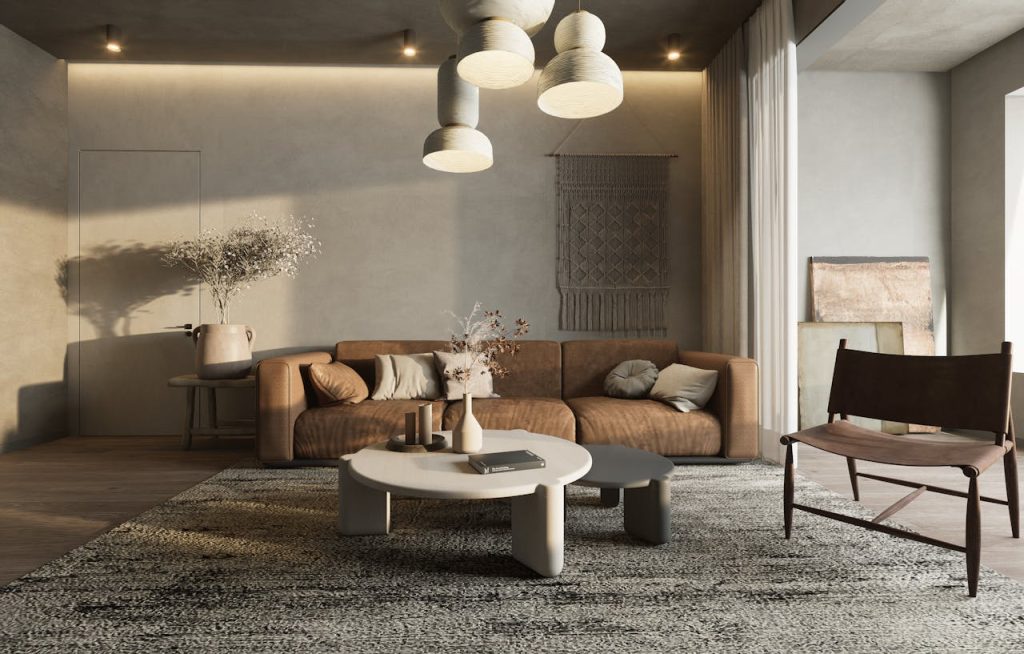
Curved Furniture Is Still Everywhere
Sharp edges are fading in favor of softer silhouettes.
From rounded sofas to arched mirrors and circular coffee tables, curved pieces continue to dominate modern interiors because they create visual flow and make rooms feel more inviting.
Design experts especially love:
- Crescent-shaped sofas
- Rounded accent chairs
- Oval dining tables
- Curved headboards
The trend works particularly well in open-concept homes where softer lines help balance large spaces.
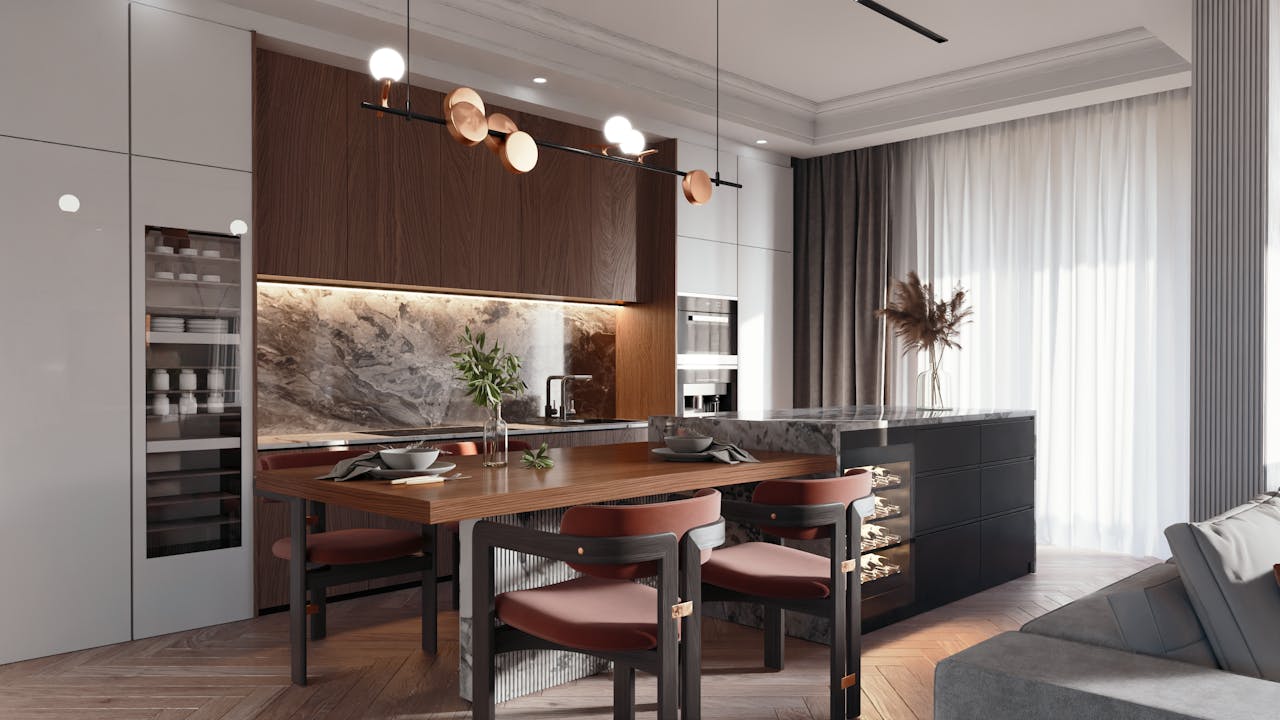
Kitchens Are Getting Richer and More Textured
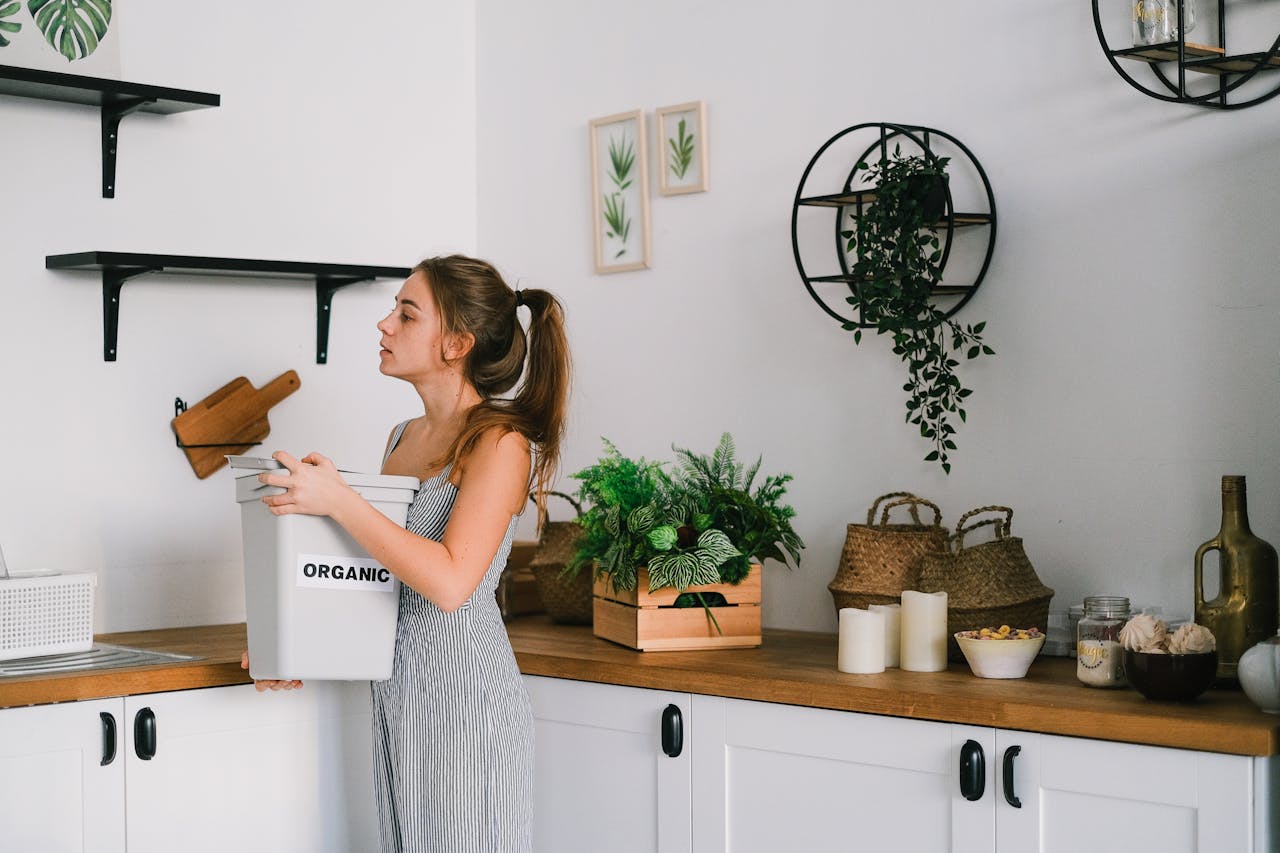
All-white kitchens aren’t disappearing entirely—but they are evolving.
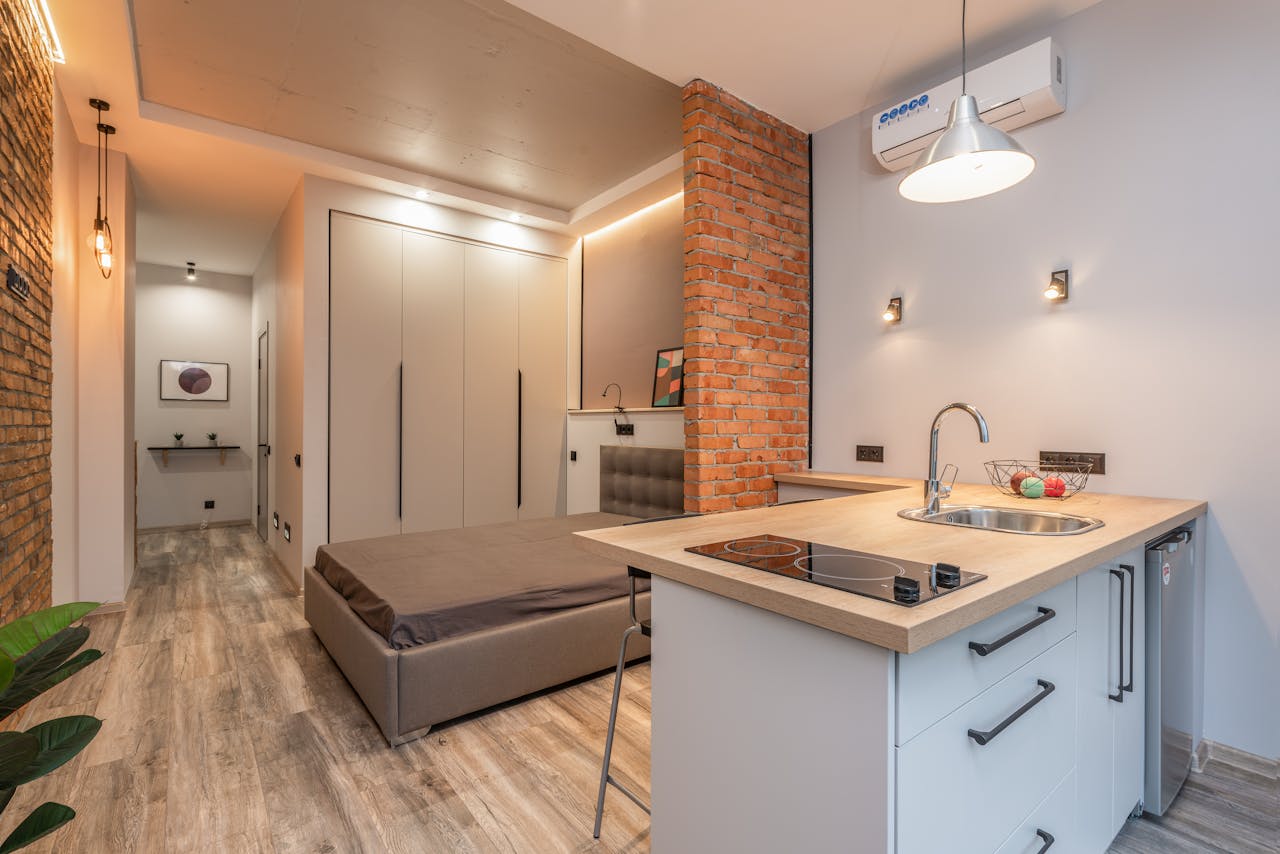
Today’s luxury kitchens feel warmer, moodier, and more layered.
Some of the biggest upgrades homeowners are prioritizing include:
- Walnut cabinetry
- Mixed metal finishes
- Fluted wood details
- Stone slab backsplashes
- Hidden storage solutions
Natural materials are also playing a larger role, helping kitchens feel connected to the rest of the home instead of looking overly clinical.
Vintage Pieces Are Making Homes Feel More Personal
Perfectly matched furniture sets are losing appeal.
Instead, homeowners are mixing old and new pieces to create interiors that feel collected over time.
That could mean:
- A vintage mirror in a modern bathroom
- Antique wood stools in a sleek kitchen
- Retro lamps paired with contemporary sofas
The layered approach adds character—and often makes spaces look significantly more expensive.
Why Designers Love It
Vintage décor introduces texture, history, and individuality in a way mass-produced furniture rarely can.
Quiet Luxury Décor Is Still Influencing Home Styling
The “quiet luxury” aesthetic that reshaped fashion is now influencing interior design in a major way.
Rather than obvious trends or flashy décor, homeowners are investing in understated pieces with premium finishes and timeless appeal.
Think:
- Tailored upholstery
- Natural stone accents
- Matte finishes
- High-quality fabrics
- Neutral layering
The result feels refined without trying too hard.
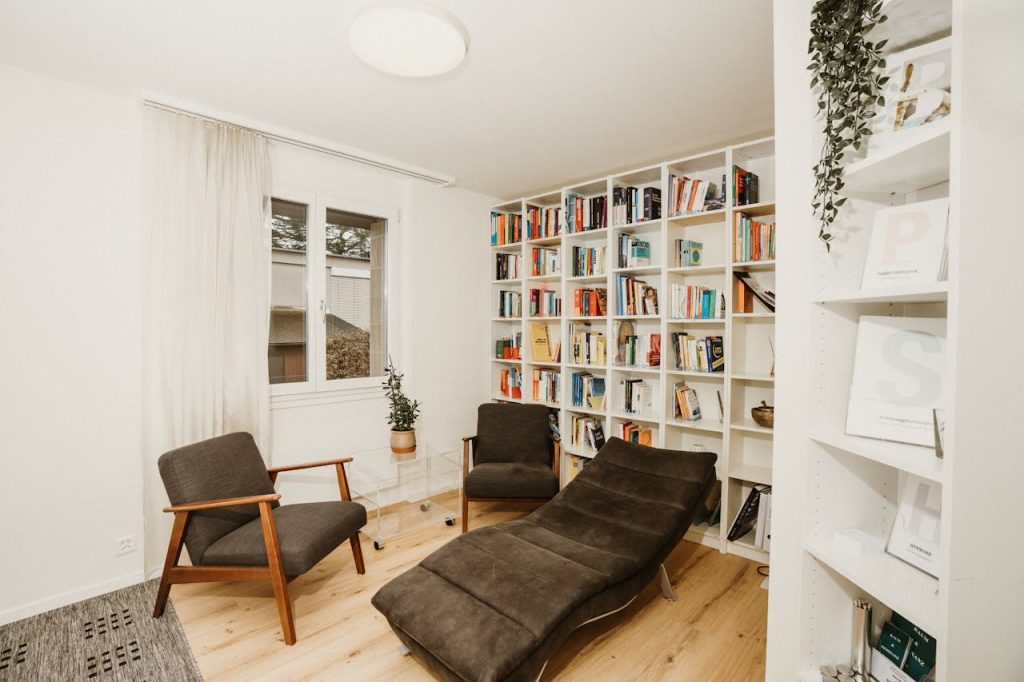
Wellness Spaces Are Becoming a Design Priority
Homes are increasingly being designed around how people want to feel—not just how spaces look.
That’s fueling the rise of wellness-inspired interiors, including:
- Reading corners
- Spa-like bathrooms
- Meditation nooks
- Cozy breakfast areas
- Soft lighting zones
Even small updates—like adding blackout curtains or calming paint tones—can make a space feel noticeably more restorative.
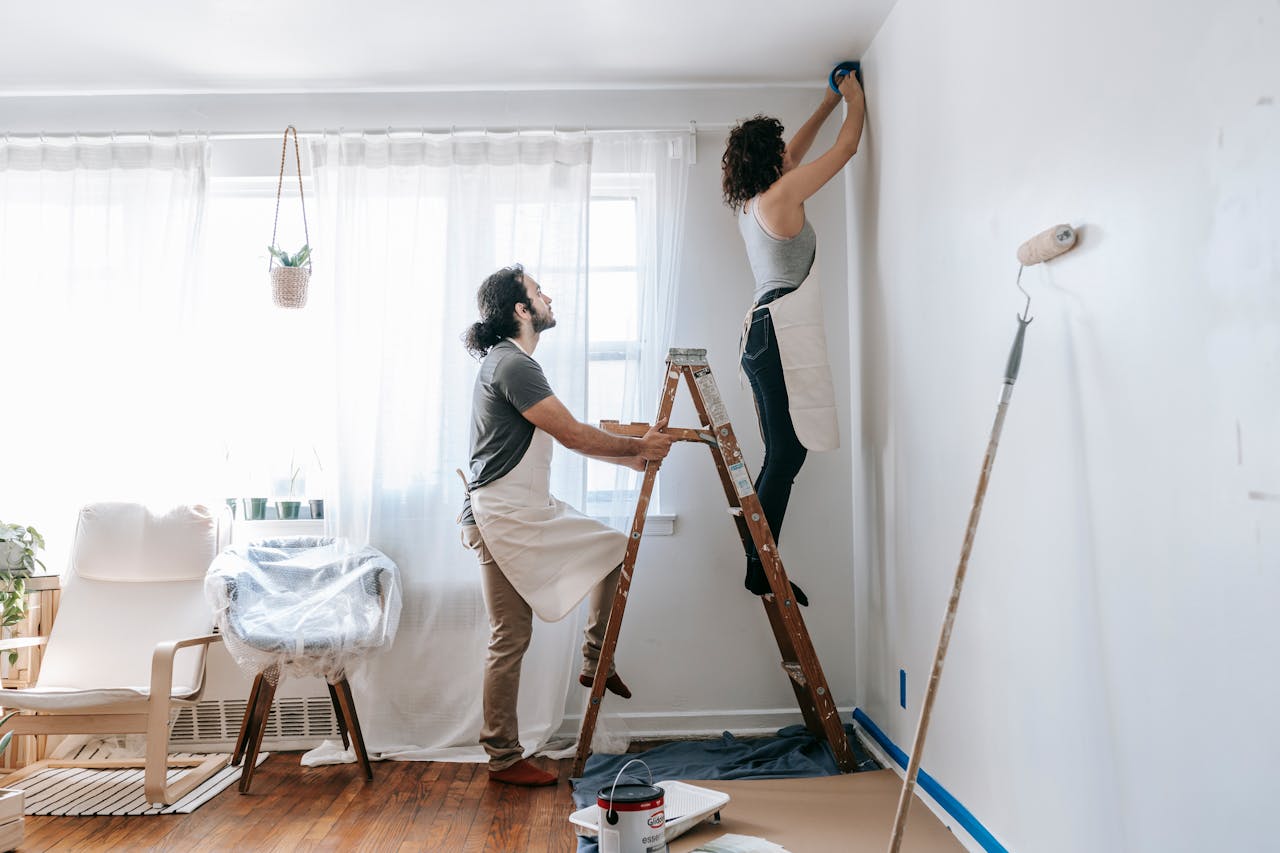
Textured Walls Are Replacing Flat Paint
Plain drywall is starting to feel a little forgettable.
In 2026, designers are embracing walls with more depth and movement through:
- Limewash finishes
- Wood paneling
- Wallpaper murals
- Venetian plaster
- Subtle texture techniques
These finishes help rooms feel richer and more custom without requiring excessive décor.
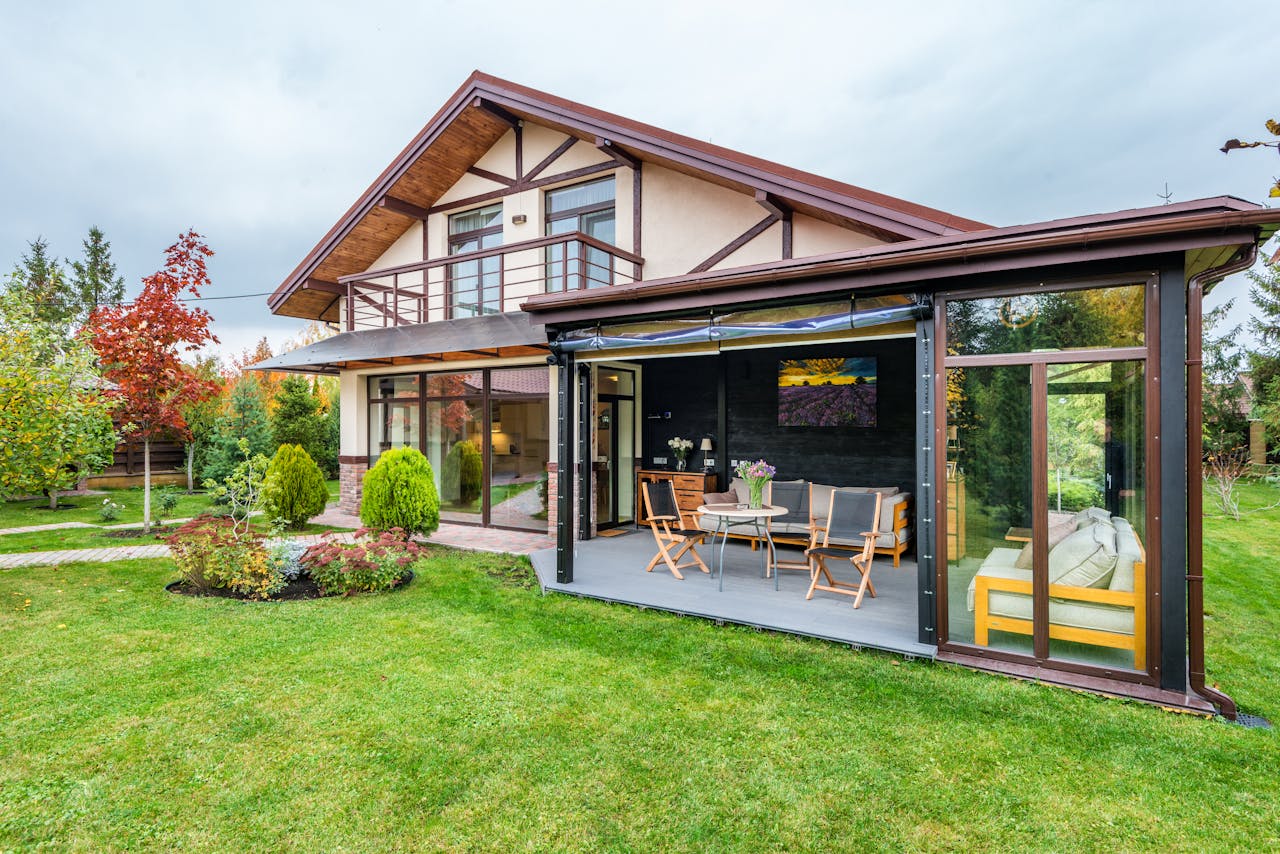
Outdoor Spaces Are Being Styled Like Living Rooms
Patios, balconies, and backyards are getting a full design upgrade.
Instead of basic outdoor furniture, homeowners are creating fully styled exterior spaces with:
- Performance fabrics
- Outdoor rugs
- Layered lighting
- Decorative planters
- Fire features
The indoor-outdoor lifestyle trend continues to grow, especially in warmer U.S. regions where entertaining outside is possible year-round.
Homes Are Becoming More Emotionally Designed
One of the biggest shifts happening right now isn’t tied to a single color or furniture style.
It’s the idea that homes should reflect personality, comfort, and emotional connection—not just trends.
That means more people are decorating with:
- Meaningful artwork
- Collected objects
- Books and personal displays
- Sentimental heirlooms
- Handmade décor
The polished-but-personal look is quickly becoming the defining style of modern American interiors.
The Bottom Line
The most influential interior design trends of 2026 aren’t about perfection—they’re about creating homes that feel warm, elevated, and genuinely lived in.
Whether it’s adding sculptural lighting, embracing richer textures, or mixing vintage pieces with modern décor, today’s interiors are leaning toward comfort-driven luxury that feels personal rather than overly curated.
And according to designers, that balance is exactly what makes a home feel timeless.