Instead, more Americans are embracing practical, design-forward changes that make homes feel healthier, more efficient, and easier to maintain without sacrificing comfort or style.
And in 2026, the biggest eco-friendly home trends are focusing less on perfection and more on realistic habits that fit everyday life.
From reusable home essentials to smarter energy-saving upgrades, these are the sustainable living trends reshaping modern American homes right now.
“Low-Waste” Living Is Replacing Extreme Minimalism
The conversation around sustainability is shifting.
Rather than striving for ultra-minimal lifestyles, many homeowners are simply becoming more intentional about what they buy, keep, and replace.
That often looks like:
- Choosing reusable household items
- Reducing unnecessary packaging
- Repairing instead of replacing
- Buying fewer, higher-quality pieces
- Donating unused items regularly
Why It’s Resonating
The approach feels more realistic, manageable, and financially practical for everyday households.
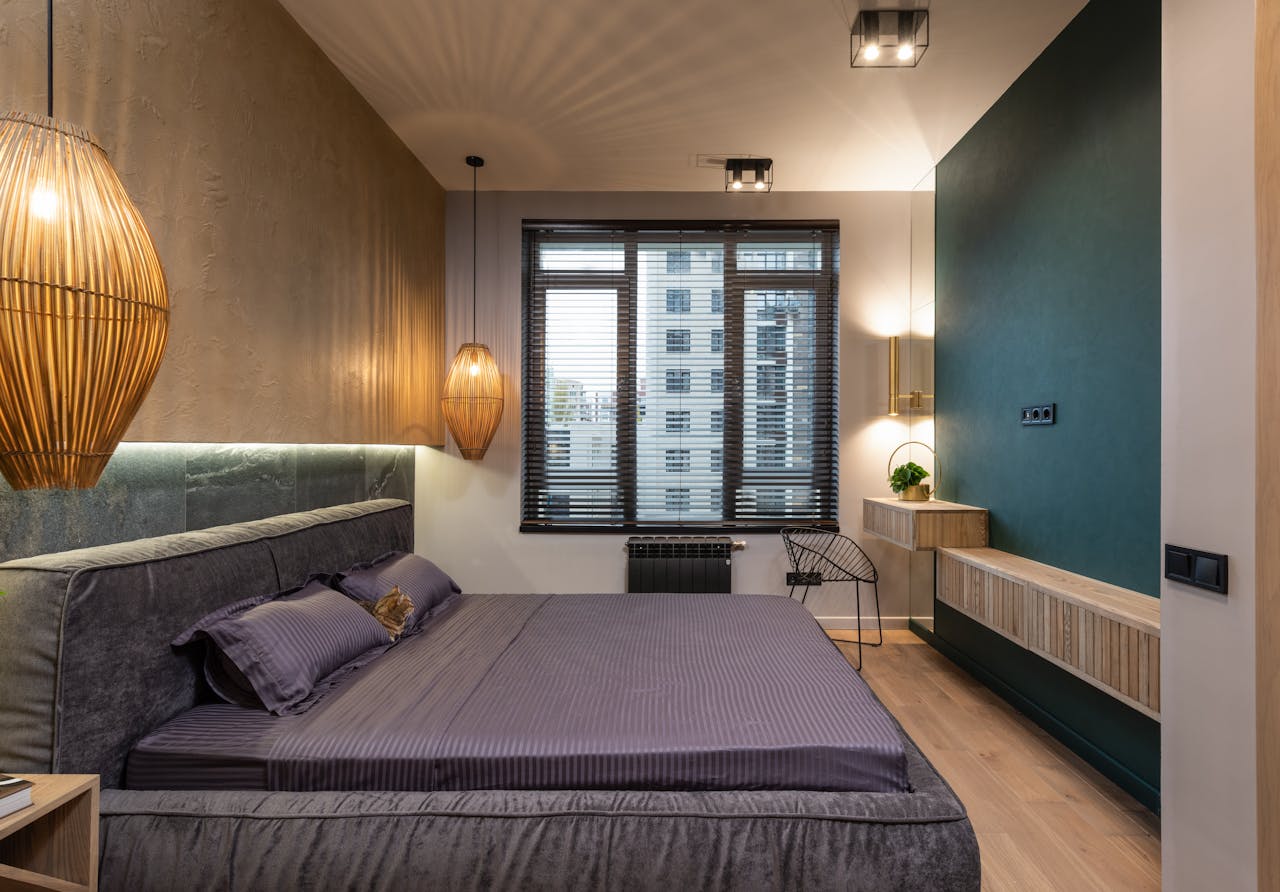
Energy-Efficient Lighting Is Becoming a Design Feature
Lighting upgrades are now serving both aesthetic and functional purposes.
Homeowners are increasingly choosing:
- Warm LED bulbs
- Dimmable lighting systems
- Motion-sensor lights
- Solar-powered outdoor fixtures
- Smart lighting controls
The result is a home that feels more modern while potentially using less energy day to day.
Refillable Home Products Are Growing in Popularity
Stylish refillable containers are quietly replacing disposable packaging in kitchens, bathrooms, and laundry rooms across the U.S.
Popular swaps include:
- Glass soap dispensers
- Refillable cleaning bottles
- Pantry jars
- Reusable spray containers
- Stainless steel storage options
The Appeal
Beyond sustainability, these systems often make homes look more organized and visually cohesive.
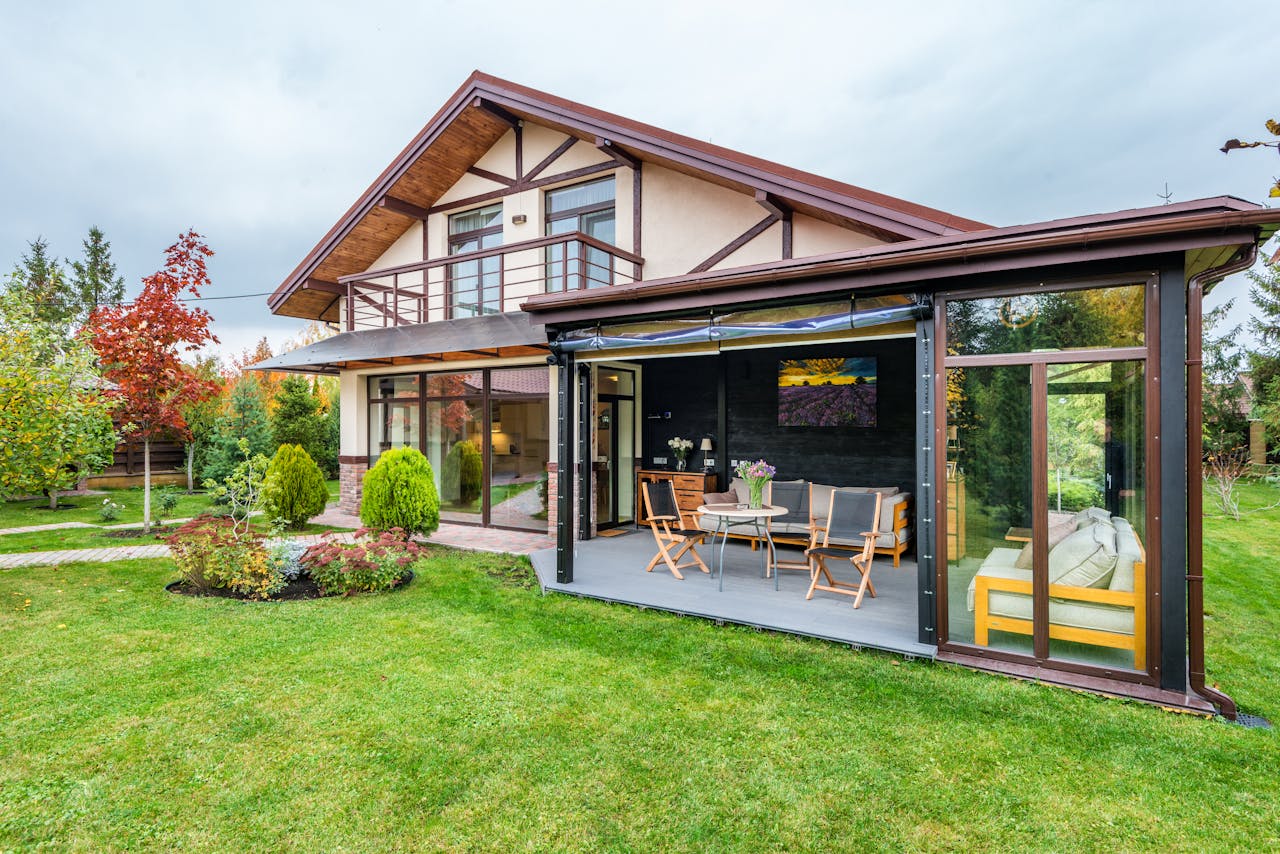
Native Landscaping Is Reshaping Outdoor Spaces
Homeowners are increasingly designing yards around plants that naturally thrive in their local climate.
Native landscaping has become especially popular because it often requires:
- Less watering
- Less maintenance
- Fewer replacements
- More natural resilience
Popular features include ornamental grasses, pollinator gardens, and drought-tolerant greenery.
The finished look tends to feel softer and more organic than overly manicured lawns.
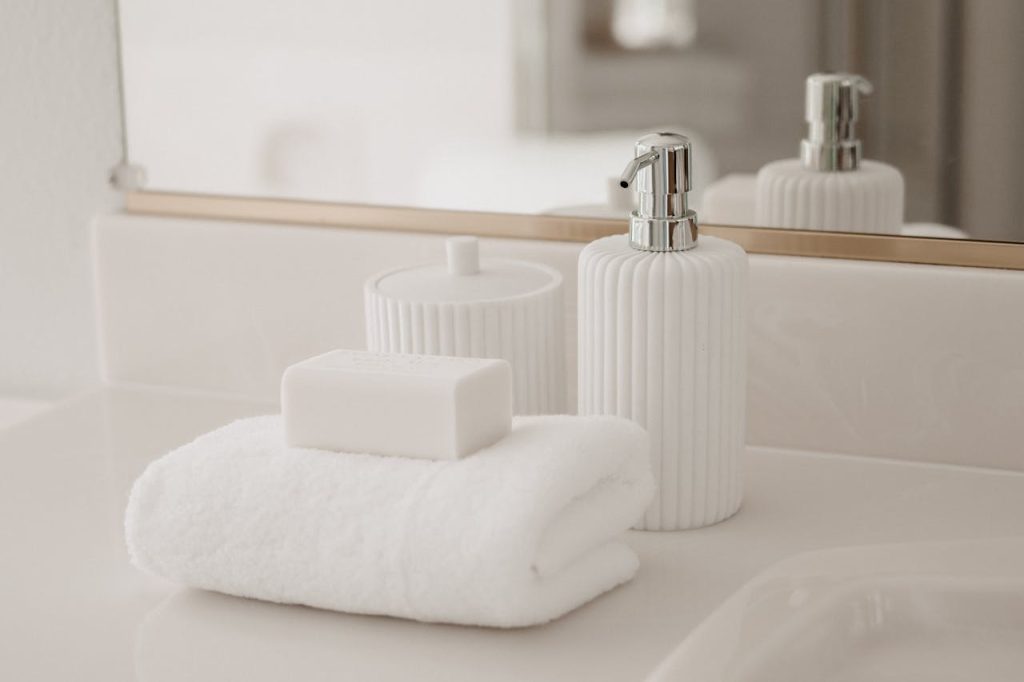
Vintage and Secondhand Furniture Are Becoming More Desirable
Fast furniture is losing some of its appeal as homeowners prioritize durability, craftsmanship, and individuality.
That’s fueling a major rise in:
- Vintage furniture finds
- Antique décor accents
- Thrifted home accessories
- Repurposed wood pieces
- Secondhand statement furniture
Why Designers Love It
Older pieces often bring warmth, character, and texture that newer mass-produced furniture can lack.
Eco-Friendly Cleaning Habits Are Becoming More Mainstream
Sustainable cleaning routines are growing in popularity not only for environmental reasons, but because many homeowners prefer simpler, less cluttered systems.
Common changes include:
- Reusable cleaning cloths
- Concentrated refill products
- Washable mop pads
- Multipurpose cleaners
- Streamlined cleaning routines
The overall focus is reducing excess without making daily upkeep feel complicated.
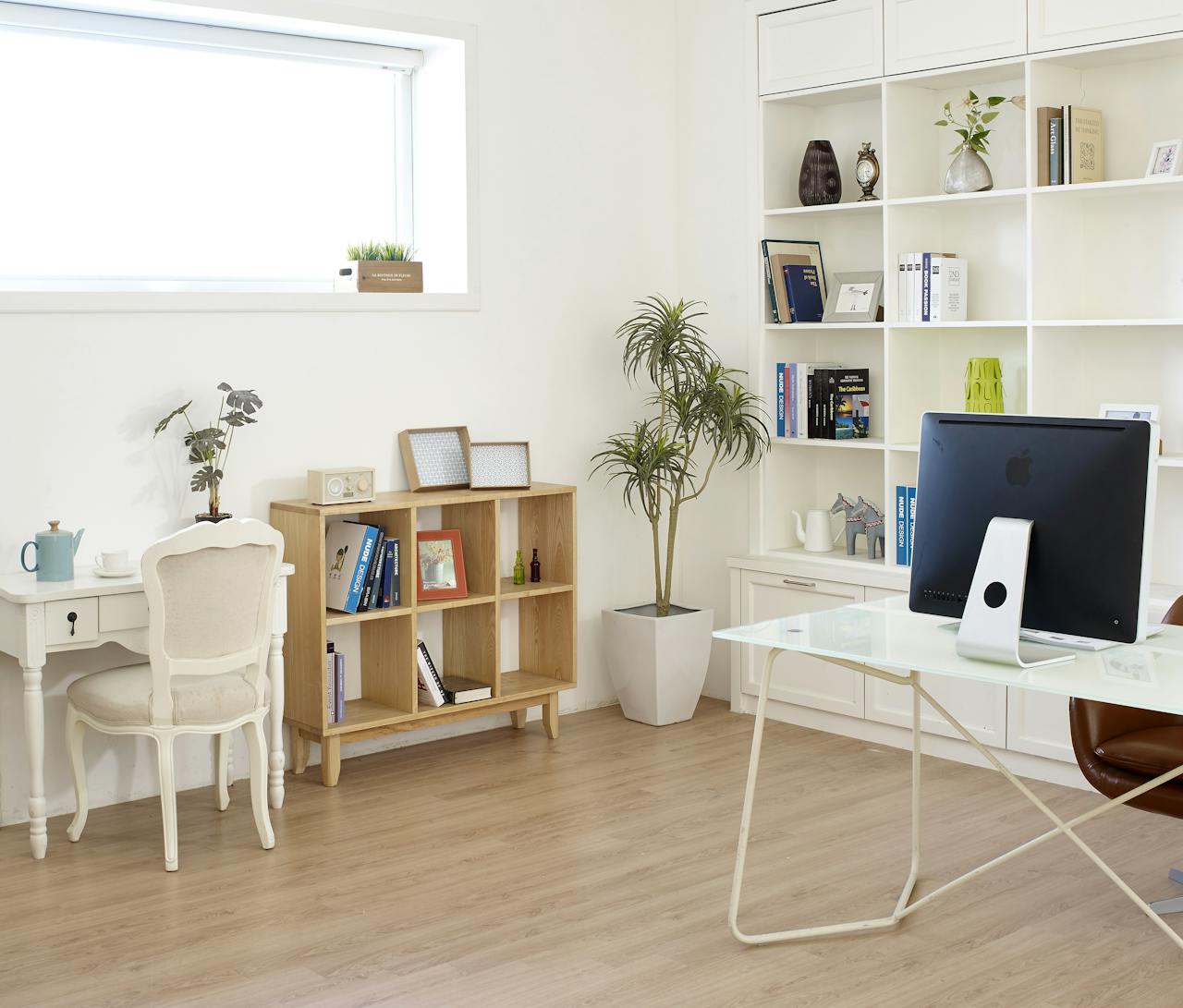
Homes Are Prioritizing Better Natural Light
Natural light continues to be one of the most desired features in modern homes.
Instead of relying solely on artificial lighting, homeowners are making small design changes that maximize daylight, including:
- Lighter window treatments
- Strategic mirror placement
- Glass interior doors
- Neutral wall colors
- Open shelving layouts
The Result
Brighter interiors often feel larger, calmer, and more energy-conscious at the same time.
Sustainable Storage Solutions Are Trending
Storage systems are becoming more eco-conscious and aesthetically refined.
Instead of disposable plastic-heavy products, homeowners are leaning toward:
- Woven baskets
- Bamboo organizers
- Wooden storage bins
- Glass containers
- Fabric storage solutions
These materials tend to feel warmer and more elevated while supporting longer-term use.
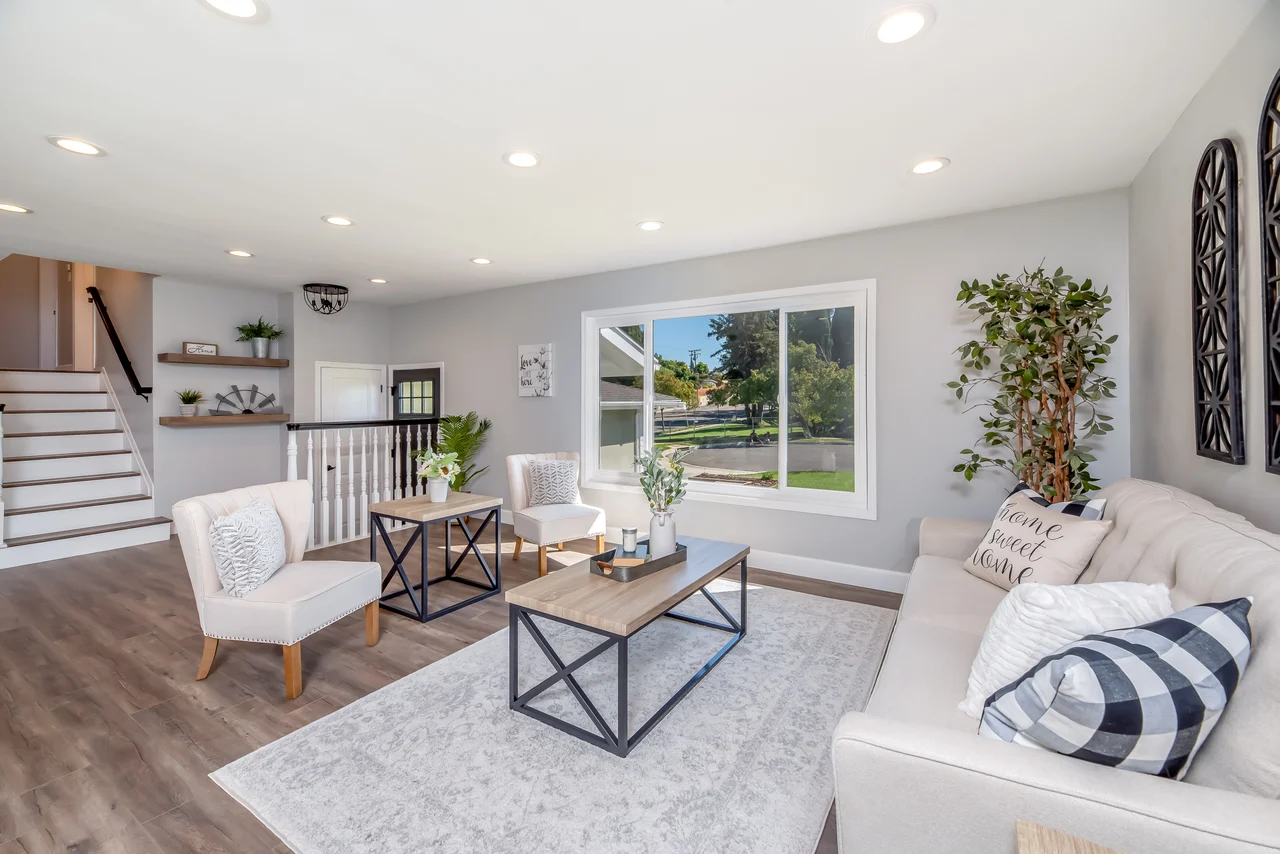
Slow Decorating Is Replacing Fast Trend Cycles
One of the biggest shifts happening in home design is the move away from constantly redecorating around short-lived trends.
Instead, homeowners are investing in timeless foundational pieces they can keep for years.
That often means choosing:
- Neutral furniture
- Natural materials
- Classic finishes
- Durable fabrics
- Versatile décor pieces
Why It Matters
A slower, more intentional decorating approach can reduce waste while creating homes that feel more personal and enduring.
Sustainability Is Becoming Part of Everyday Comfort
Perhaps the biggest shift of all is that eco-friendly living no longer feels overly rigid or inaccessible.
Today’s sustainable homes prioritize comfort, practicality, and simplicity alongside environmental awareness.
For many households, that means:
- Reducing unnecessary purchases
- Using products longer
- Choosing quality over quantity
- Creating calmer daily routines
- Designing spaces that feel easier to maintain
The emphasis is less about perfection—and more about thoughtful living.
Easy Eco-Friendly Home Habits Anyone Can Start
You don’t need solar panels or a major renovation to create a more sustainable home.
Experts say small daily habits often make the biggest long-term difference.
Simple starting points include:
- Switching to reusable kitchen towels
- Turning off unused lighting
- Using refillable containers
- Donating unused household items
- Washing clothes in colder water
- Bringing more plants indoors
Even small changes can help homes feel more intentional and less wasteful over time.
The Bottom Line
In 2026, sustainable living trends are becoming more practical, design-focused, and accessible for everyday American households.
From refillable home systems to vintage décor, native landscaping, and energy-smart lighting, today’s eco-friendly homes are proving that sustainability and style can absolutely coexist.
And according to designers and homeowners alike, that balanced approach is exactly what makes modern sustainable living feel achievable.