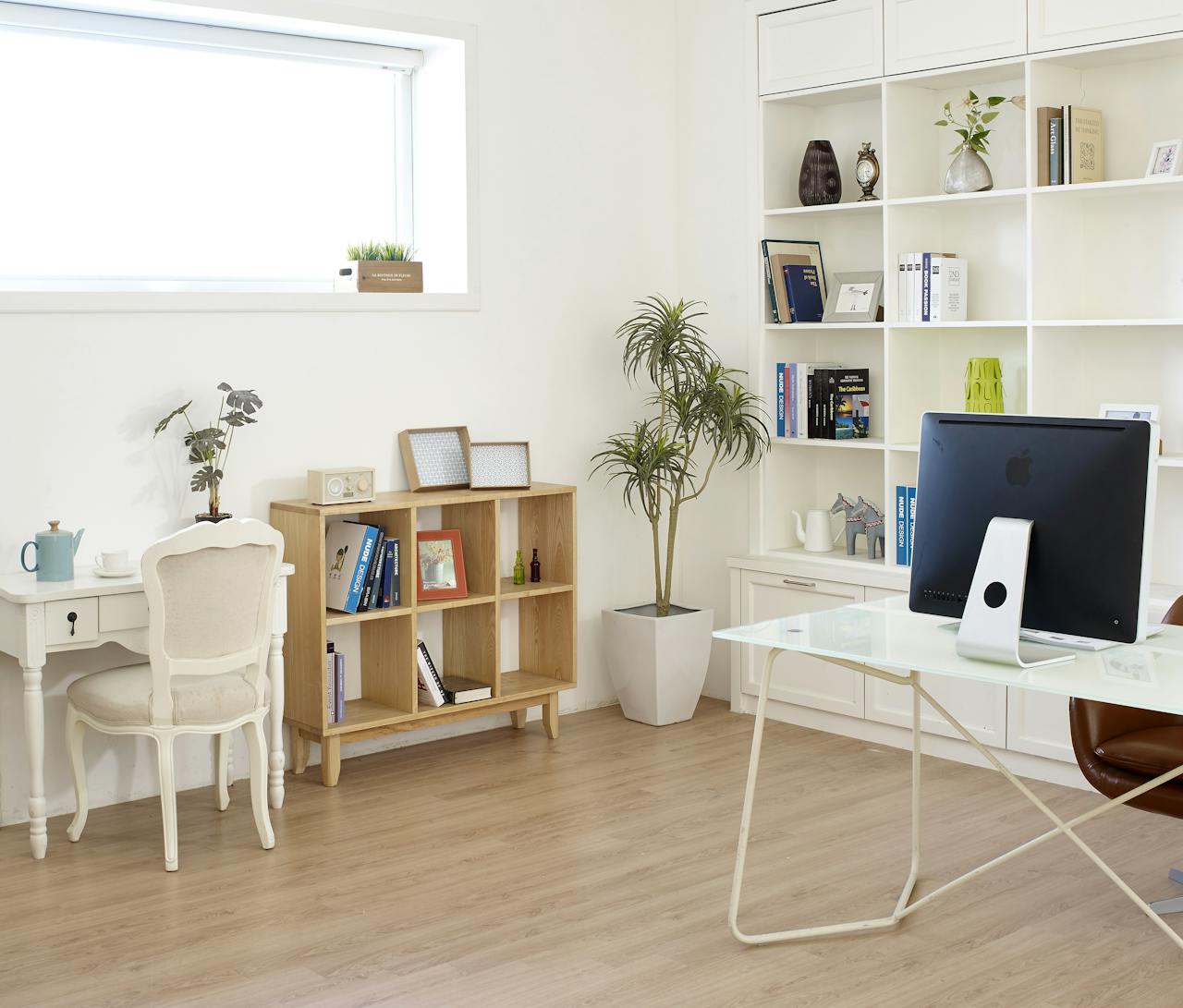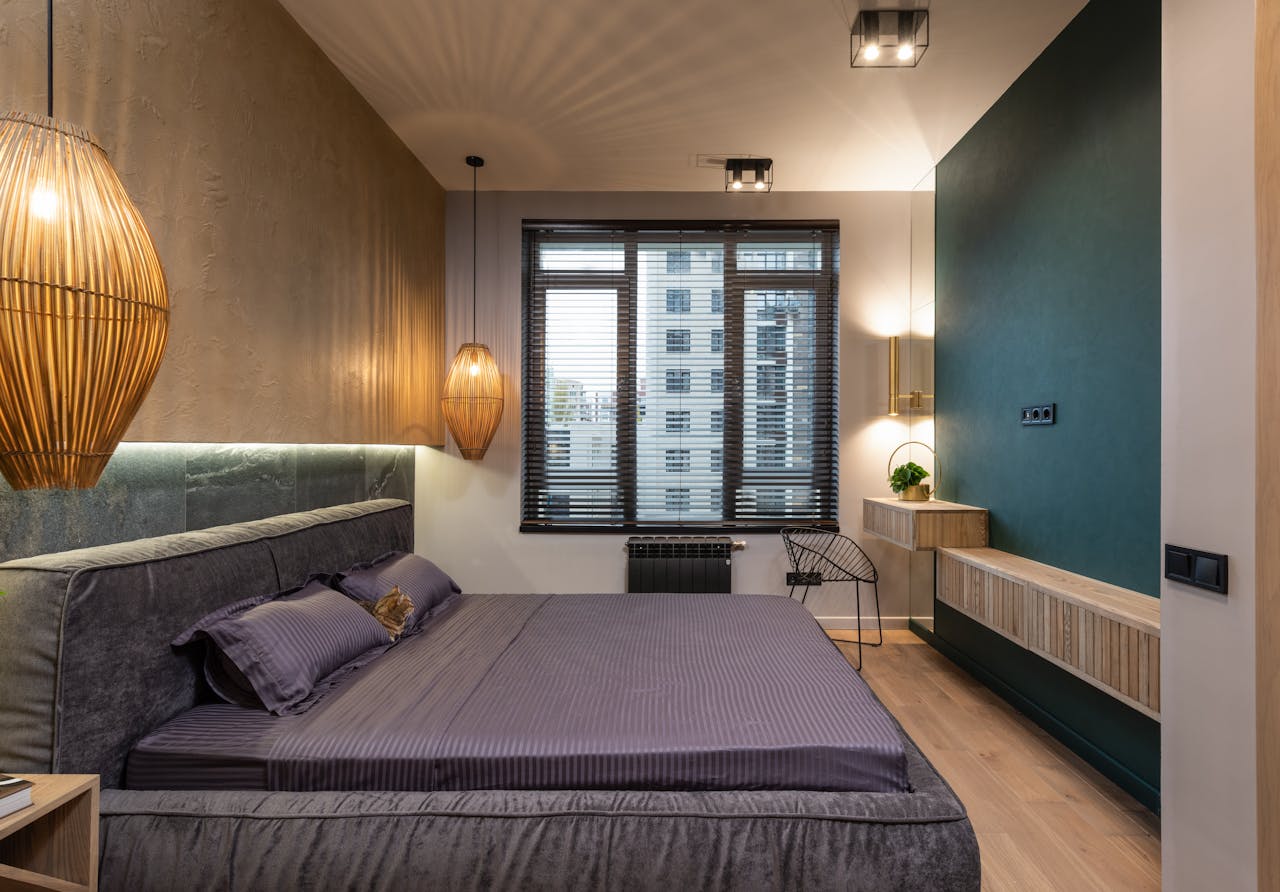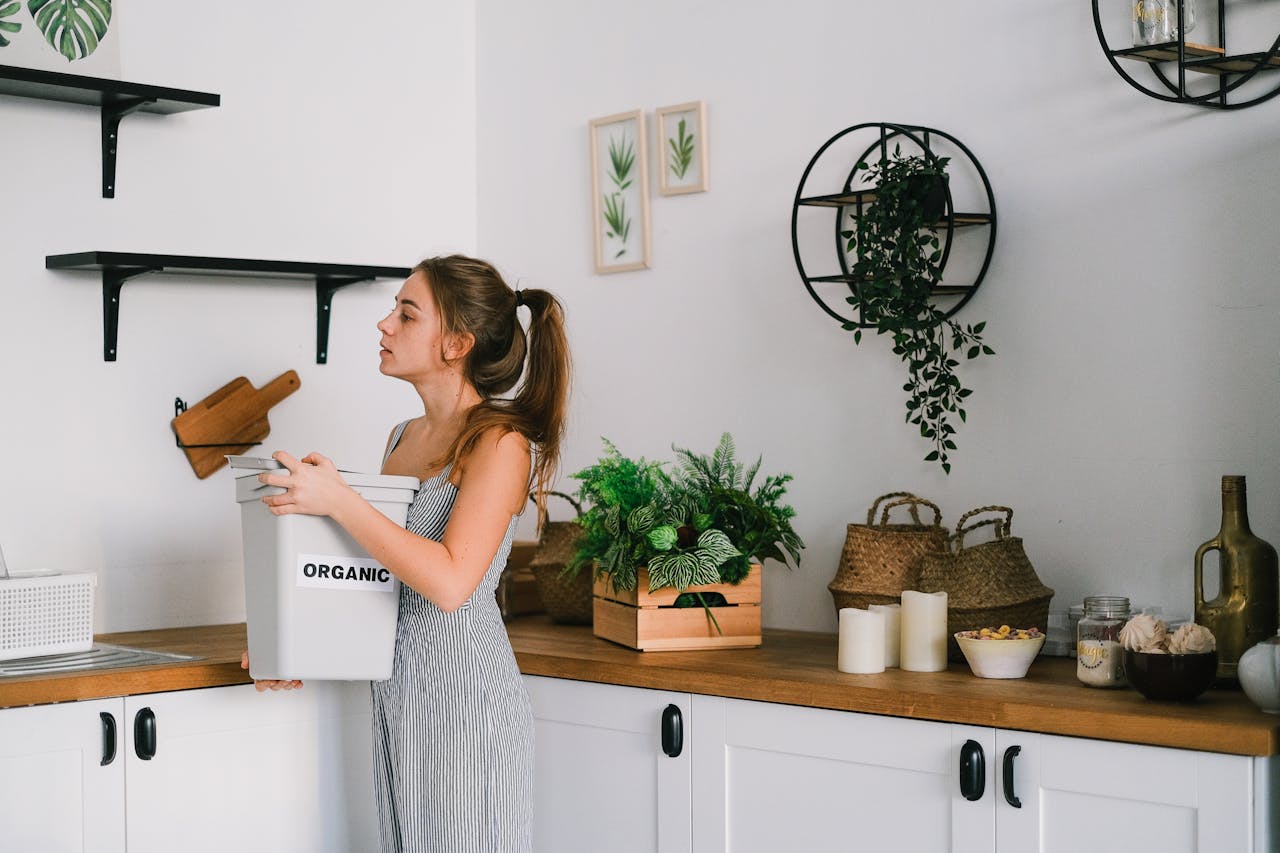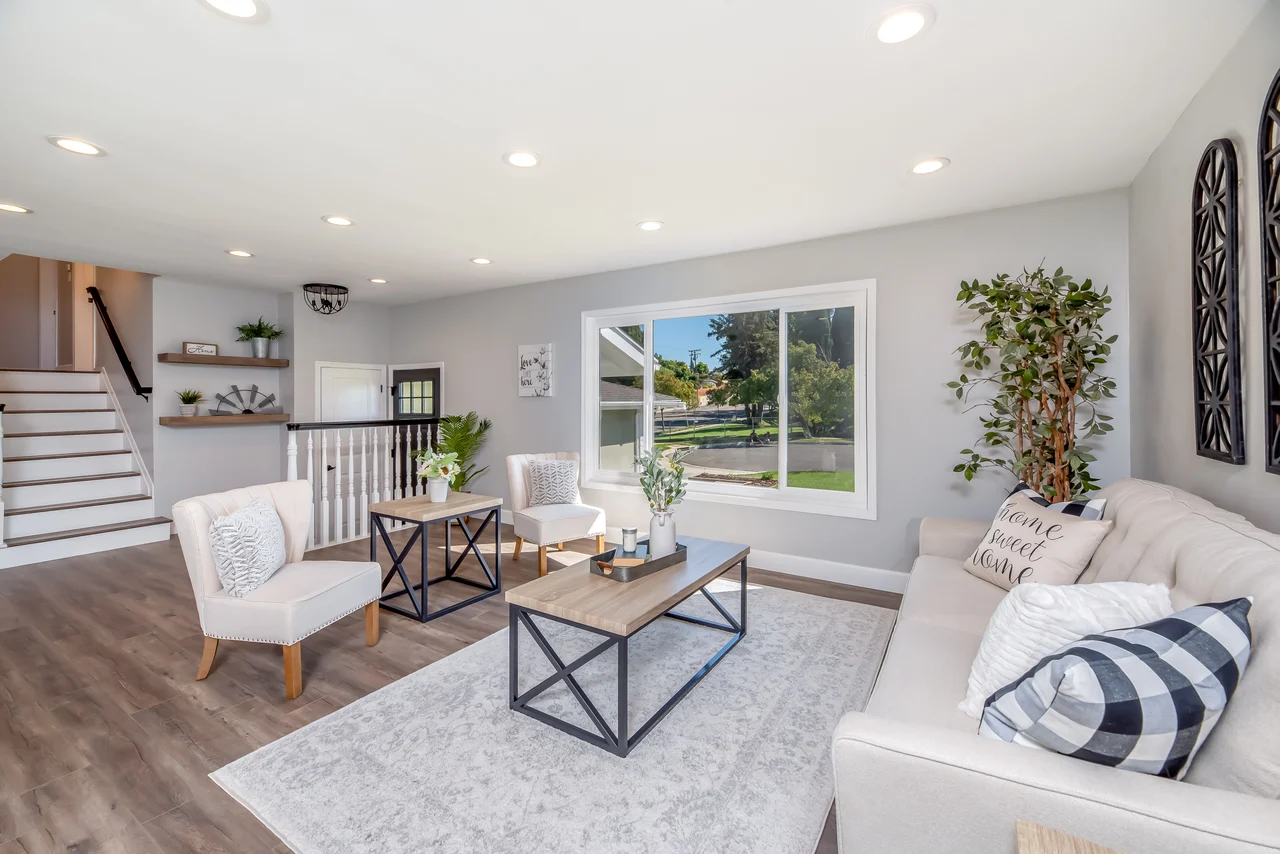
In fact, some of the most impressive interiors right now are compact spaces that feel intentional, organized, and surprisingly luxurious thanks to smarter layouts and thoughtful design choices.
And in 2026, homeowners and renters alike are embracing a new approach to small space living one focused less on minimalism and more on functionality that still feels warm and personal.
From hidden storage ideas to visual tricks that instantly open up a room, these are the small space solutions designers say are making the biggest difference right now.
Multi-Functional Furniture Is Becoming Essential
Furniture that serves more than one purpose has become the backbone of modern small-space design.
And today’s options are far more stylish than the bulky convertible furniture of the past.
Popular choices include:
- Storage ottomans
- Lift-top coffee tables
- Expandable dining tables
- Sleeper sofas
- Beds with built-in drawers
Why It Works
Every piece earns its place helping smaller homes feel more efficient without appearing overcrowded.
Vertical Storage Is Maximizing Every Inch
When square footage is limited, designers say the best strategy is simple: go upward.
Vertical storage helps free up floor space while keeping rooms visually cleaner.
Trending solutions include:
- Tall bookcases
- Floating shelves
- Wall hooks
- Hanging kitchen storage
- Over-door organizers
The added height can also make ceilings appear taller and rooms feel more open.
Light Color Palettes Are Still Dominating Small Homes
Bright, airy interiors continue to be one of the easiest ways to visually expand a room.
Soft neutral tones reflect more natural light and create a calmer overall atmosphere.
Popular shades include:
- Warm white
- Sand beige
- Pale taupe
- Soft gray
- Muted greige
The Design Trick
Keeping walls, larger furniture pieces, and textiles within a cohesive color family helps reduce visual clutter.
Mirrors Are Being Used More Strategically
Mirrors remain one of the oldest small-space tricks and designers say they still work remarkably well.
The key is thoughtful placement.
Homeowners are using mirrors to:
- Reflect natural light
- Open narrow hallways
- Create visual depth
- Brighten darker corners
- Make dining areas feel larger
Oversized mirrors, in particular, are becoming increasingly popular in apartments and compact homes.
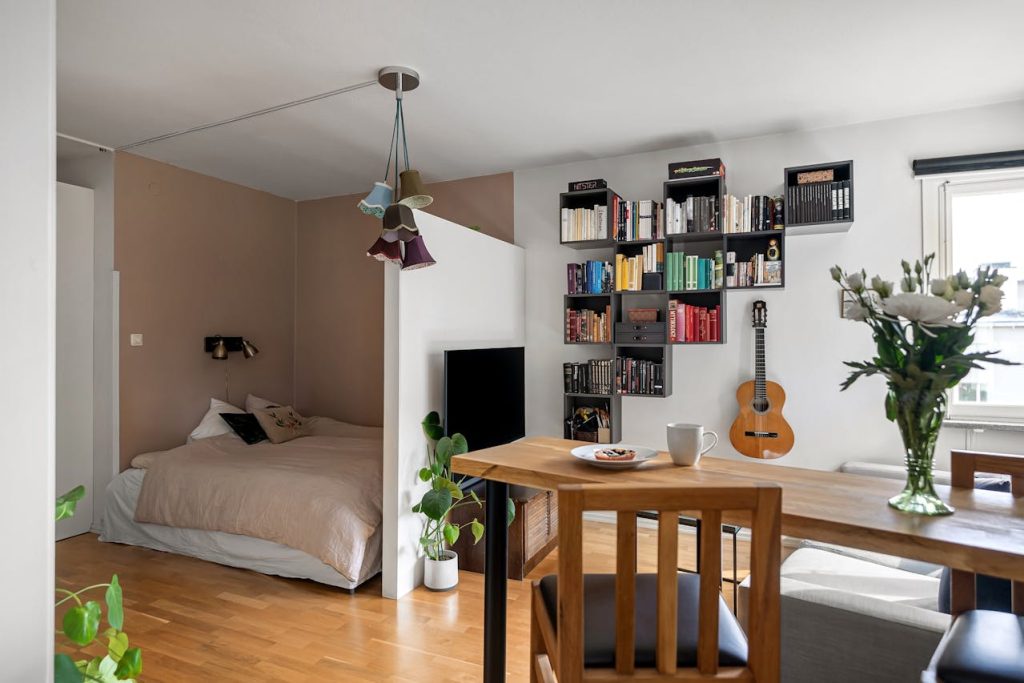
Hidden Storage Is Replacing Visible Clutter
One of the fastest ways to make a small space feel cramped is leaving too many everyday items out in the open.
That’s why concealed storage is becoming a major design priority.
Popular hidden storage ideas include:
- Bench seating with compartments
- Decorative baskets
- Under-bed organizers
- Closed media consoles
- Storage-friendly entryway furniture
Why It Matters
Reducing visual noise instantly makes rooms feel calmer and more spacious.
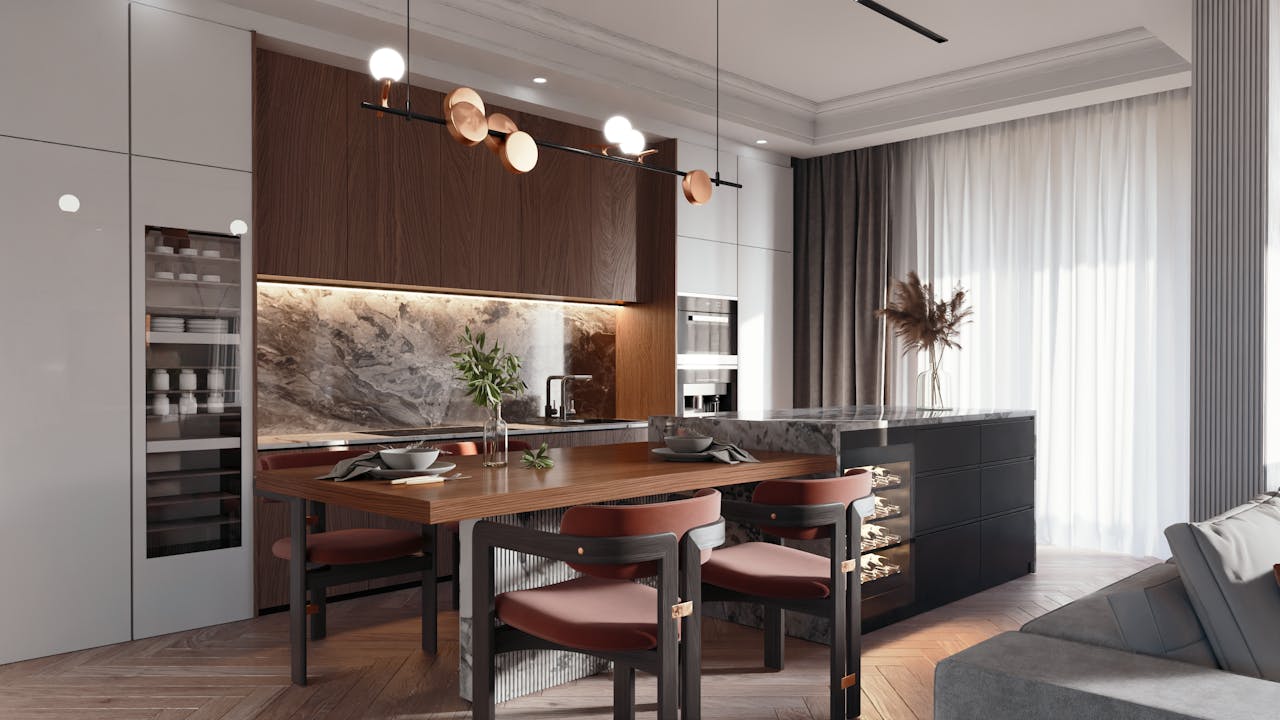
Small Kitchens Are Getting Smarter Layouts
Compact kitchens are becoming more functional thanks to better organization systems and smarter design upgrades.
Designers recommend maximizing underused areas such as:
- Cabinet doors
- Corner storage
- Vertical pantry space
- Magnetic wall storage
- Slim rolling carts
Even tiny kitchens can feel surprisingly efficient with the right layout adjustments.
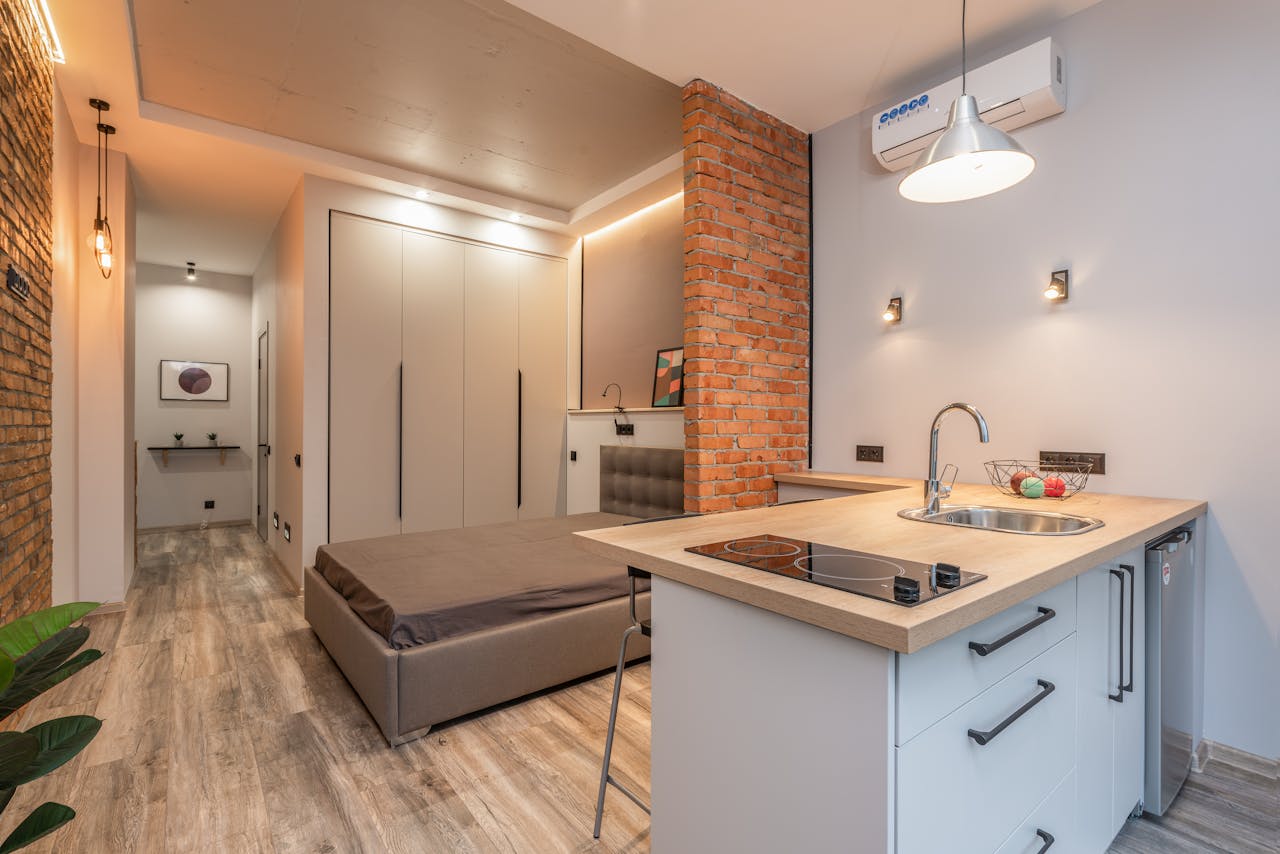
Defined “Zones” Are Helping Rooms Feel More Organized
Studio apartments and open-concept homes often feel chaotic when every activity blends into one space.
That’s why designers are increasingly creating subtle zones within smaller rooms.
Simple ways to separate spaces include:
- Area rugs
- Open shelving dividers
- Accent lighting
- Console tables
- Different paint tones or textures
The Result
Rooms feel more intentional and easier to navigate without needing physical walls.
Foldable and Stackable Pieces Are Making a Comeback
Flexible furniture is becoming increasingly important in compact living environments.
Today’s foldable and stackable designs feel cleaner, sleeker, and more modern than older versions.
Trending space-saving pieces include:
- Nesting tables
- Folding desks
- Stackable stools
- Drop-leaf dining tables
- Wall-mounted workstations
The adaptability is especially appealing for renters and hybrid work setups.
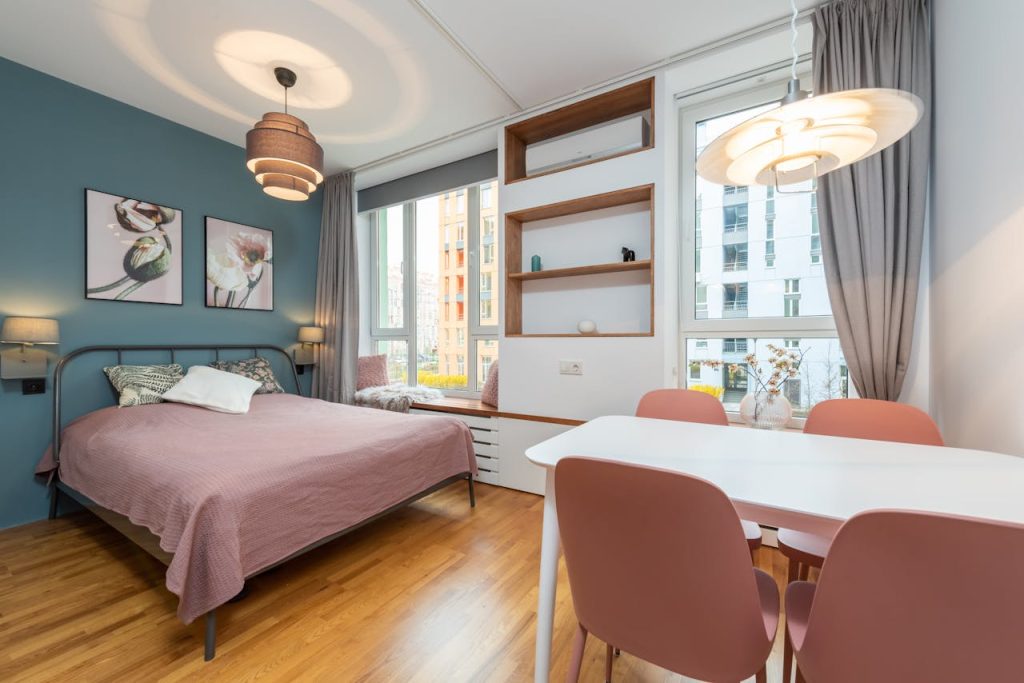
Minimal Décor Is Being Replaced With “Intentional Styling”
Small-space design is no longer about stripping rooms down completely.
Instead, homeowners are focusing on carefully chosen décor that adds personality without overwhelming the space.
That often includes:
- One statement artwork piece
- Layered neutral textiles
- Small plants
- Sculptural lighting
- Curated shelving
Why Designers Prefer It
Intentional styling makes compact homes feel warm and lived-in rather than sparse or temporary.
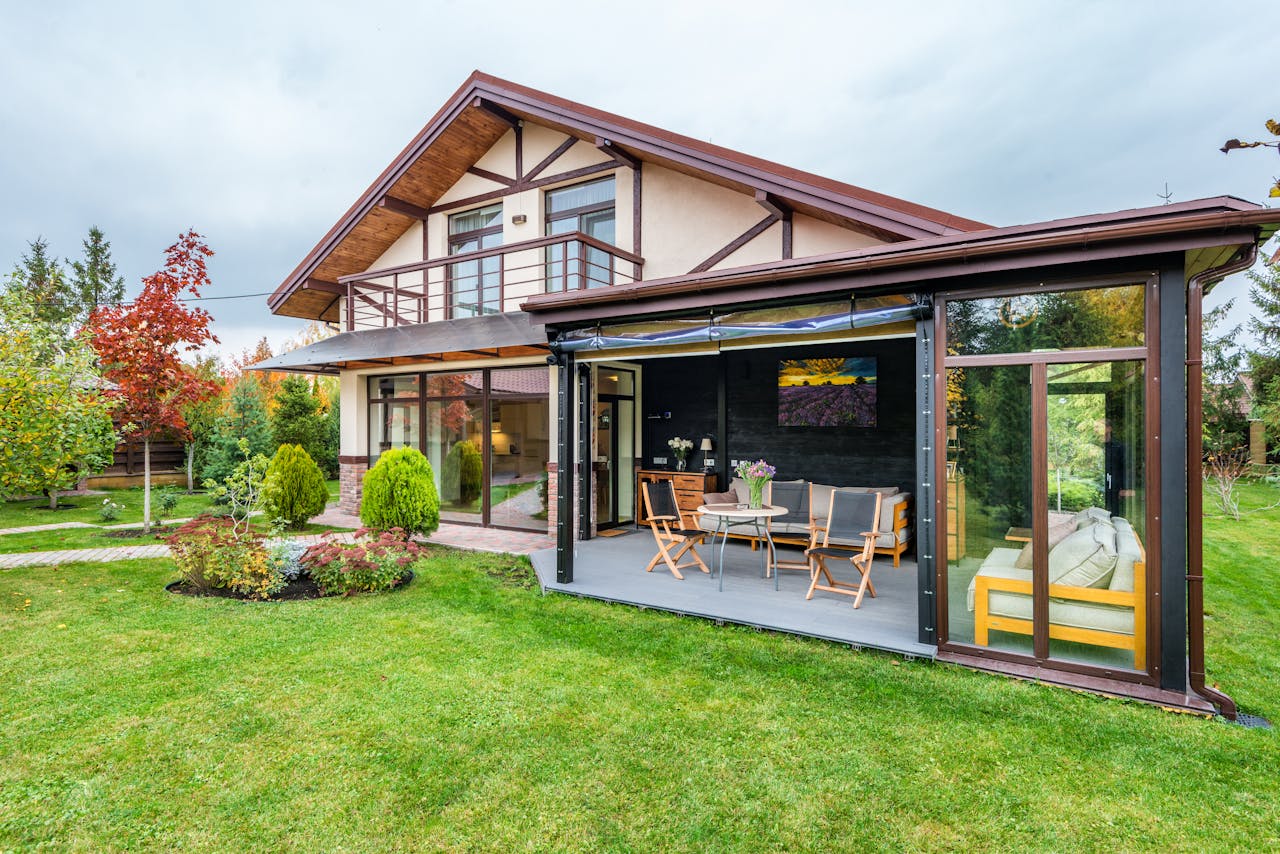
Compact Outdoor Spaces Are Becoming Valuable Extensions of the Home
Balconies, patios, and even narrow porches are increasingly being treated as functional living space.
Homeowners are transforming smaller outdoor areas with:
- Bistro seating
- Vertical gardens
- Foldable furniture
- Outdoor string lights
- Compact storage benches
Even a tiny outdoor setup can make an apartment feel significantly larger overall.
Easy Small Space Upgrades That Make a Big Difference
Designers say small homes benefit most from thoughtful edits not overcrowding.
Some of the simplest improvements include:
- Using fewer but larger décor pieces
- Swapping bulky furniture for slimmer silhouettes
- Keeping pathways visually clear
- Choosing furniture with exposed legs
- Adding layered lighting instead of relying on one overhead fixture
- Using closed storage whenever possible
Small shifts often create the biggest visual payoff.
The Bottom Line
In 2026, small space living is becoming smarter, more stylish, and far more intentional.
From hidden storage to multifunctional furniture and visually lighter layouts, today’s compact homes are proving that great design has far less to do with square footage than people once believed.
And according to interior designers, the best small spaces aren’t just efficient they feel comfortable, personal, and genuinely enjoyable to live in every day.