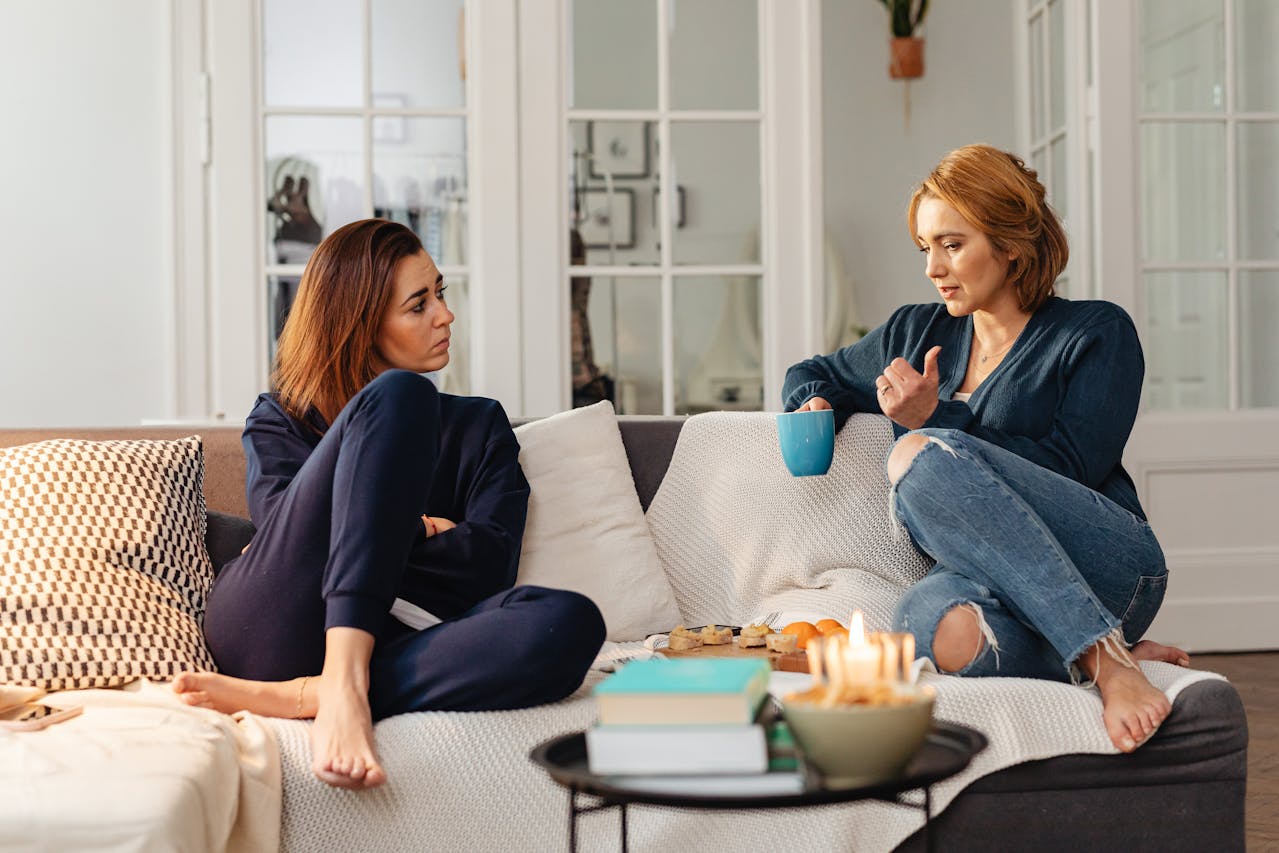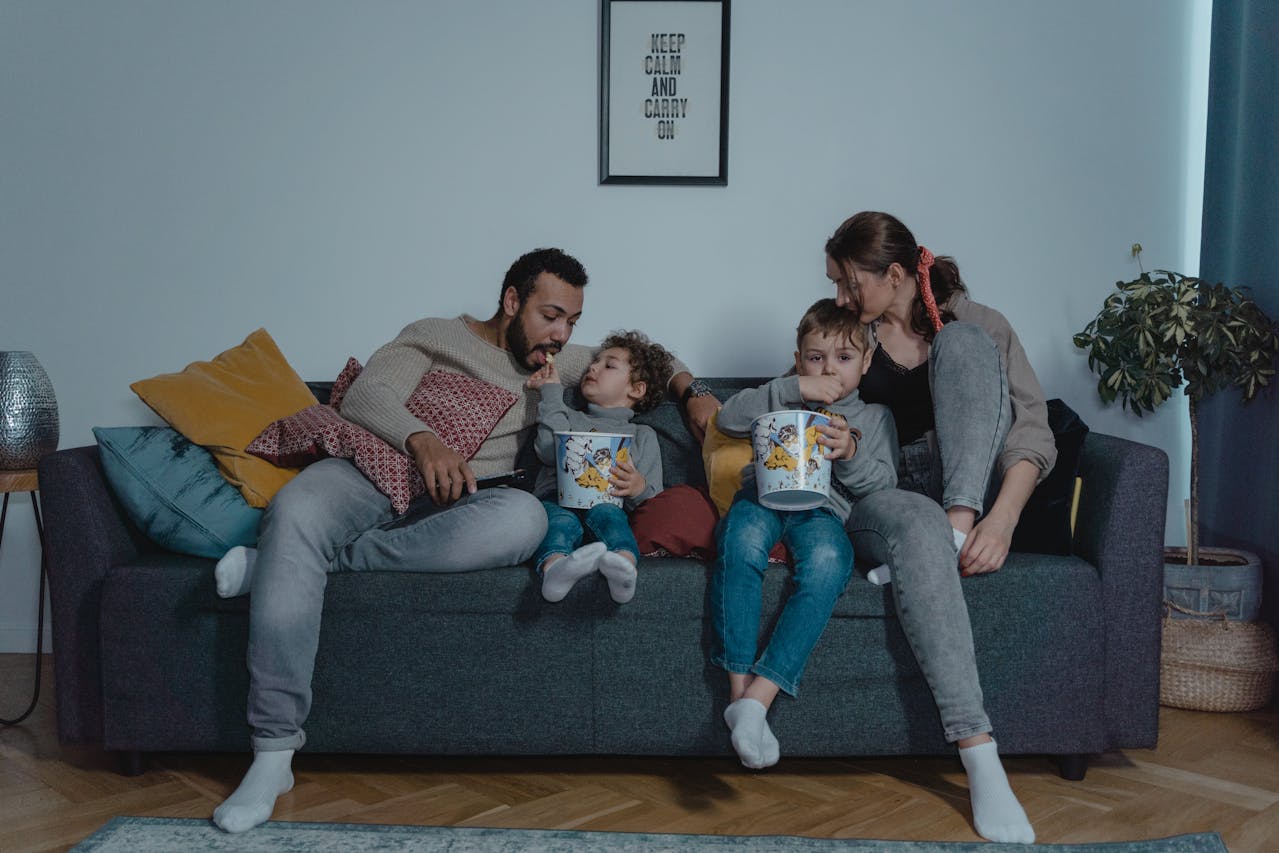

Now, a different philosophy is quietly taking over family conversations, parenting forums, and school pickup lines across America: quiet parenting.
The approach isn’t about being uninvolved or emotionally distant. Instead, it focuses on creating a calmer home environment with less over-correcting, less pressure, and fewer emotional power struggles.
And according to many child development experts, the shift may actually help kids become more independent, emotionally secure, and confident over time.
So, What Exactly Is “Quiet Parenting”?
At its core, quiet parenting is about reducing unnecessary intensity in everyday family life.
That means:
- Fewer reactive arguments
- Less micromanaging
- More emotional regulation from parents
- Calm, clear communication
- Allowing children space to solve small problems independently
Instead of constantly correcting behavior in real time, parents practicing this style often pause before reacting—and focus on consistency over control.
It’s a noticeable contrast to the high-pressure parenting culture many families have experienced over the past decade.
Why So Many Parents Are Embracing It Right Now
Parenting burnout has become a major conversation in recent years, especially among working families juggling packed schedules, digital distractions, and nonstop stimulation.
Many parents say they simply feel exhausted by the expectation to be “on” at all times.
Quiet parenting offers an alternative that feels more sustainable.
The appeal is surprisingly simple:
- Less yelling
- Fewer daily battles
- More predictable routines
- Reduced anxiety for both parents and kids
- A calmer emotional tone at home
For many households, it’s less about following a strict parenting method and more about lowering the emotional volume of family life.

Experts Say Confidence Often Grows in Calmer Environments
One reason the trend is gaining traction? Child development specialists frequently point to the connection between emotional safety and confidence building.
When children feel constantly corrected or over-managed, they may become overly dependent on adult approval.
But when parents step back slightly and respond with steadiness instead of urgency kids often begin developing stronger problem-solving skills.
That can look like:
- Ordering their own food at restaurants
- Managing small school responsibilities independently
- Working through minor conflicts with siblings
- Learning emotional regulation through observation
In many cases, confidence grows when children are trusted with age-appropriate responsibility.
What Quiet Parenting Looks Like in Real Life
Despite the name, quiet parenting doesn’t mean parents stay silent or avoid discipline.
Instead, it often involves subtle shifts in communication.
For example:
Instead of:
“Stop doing that right now! How many times have I told you?”
A quiet parenting response might sound more like:
“The rule hasn’t changed. If it continues, the consequence will follow.”
The difference is tone not permissiveness.
Parents using this approach often aim to stay emotionally steady, even during stressful moments.
The “Less Performing, More Connecting” Mindset
Another reason families are drawn to the trend is that it pushes back against performative parenting culture.
Many parents say social media created unrealistic expectations around:
- Perfect schedules
- Constant educational enrichment
- Pinterest-worthy activities
- Hyper-involved parenting styles
Quiet parenting shifts the focus back to emotional connection instead of constant productivity.
And for many families, that feels refreshing.

Small Habits That Support Quiet Parenting
Families interested in trying the approach often start with small adjustments rather than dramatic lifestyle changes.
Common habits include:
- Speaking more slowly during conflict
- Avoiding immediate overreactions
- Creating calmer evening routines
- Limiting overscheduling
- Encouraging independent play
- Giving children time to answer questions before stepping in
Even tiny changes in household tone can noticeably affect family stress levels over time.
What Child Development Specialists Want Parents to Remember
One important distinction experts often make: calm parenting does not mean emotionally unavailable parenting.
Children still need:
- Boundaries
- Structure
- Attention
- Emotional validation
- Consistency
The goal isn’t to become detached. It’s to reduce unnecessary emotional escalation while remaining supportive and present.
That balance is what many families find appealing.
Why This Parenting Trend May Stick Around
Unlike many viral parenting trends, quiet parenting feels realistic for everyday life.
It doesn’t require expensive products, complicated systems, or rigid philosophies.
Instead, it centers on something many families are craving right now: a calmer home environment.
And in a culture where both parents and children often feel overstimulated, that simplicity may be exactly why the trend continues gaining momentum.
Final Takeaway
Quiet parenting isn’t about being perfect. It’s about creating a steadier emotional atmosphere where children can build confidence without constant pressure.
For many families, the shift away from high-intensity parenting may feel less like a trend and more like a long-term reset.