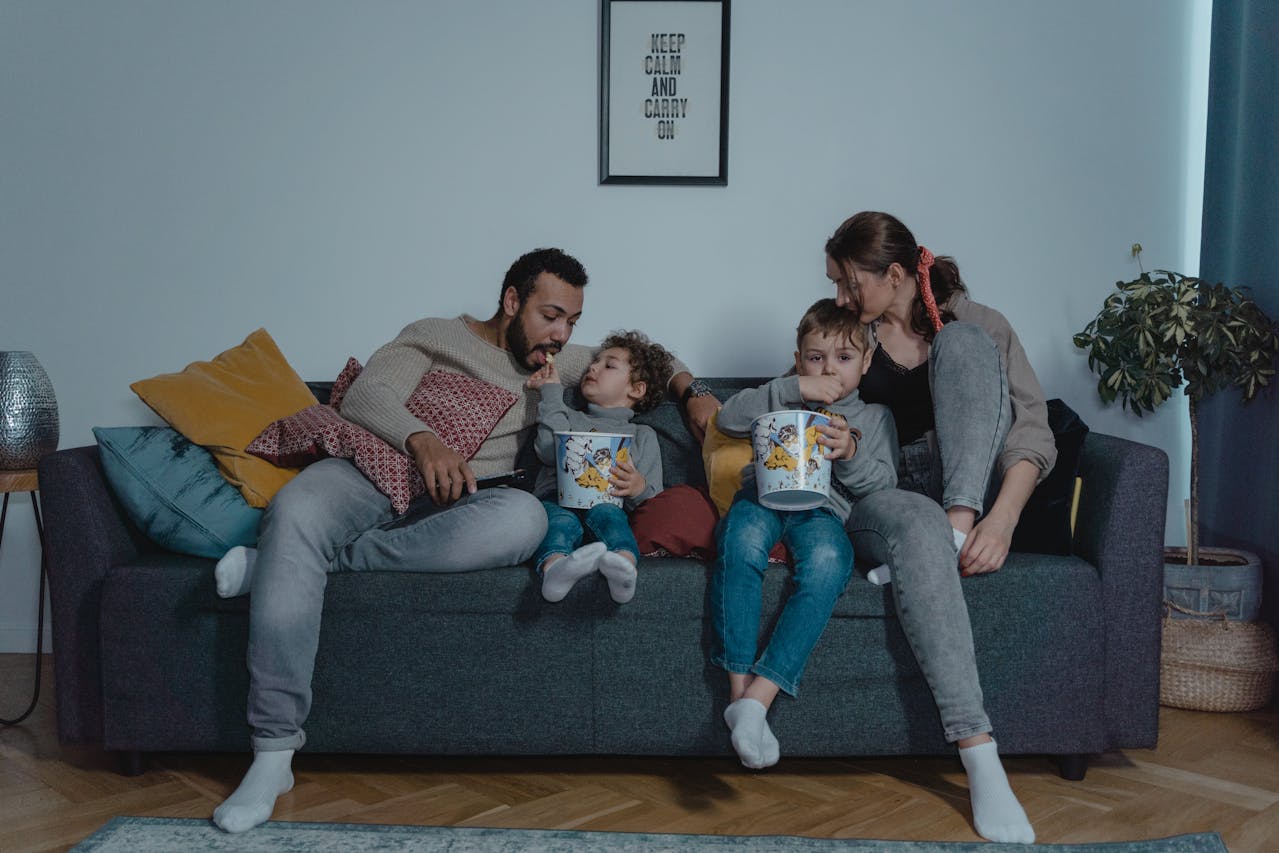

Across the U.S., a new living arrangement is gaining traction: multigenerational households, where grandparents, parents, and children share the same home under one roof.
Some are calling it the intergenerational home reset. And for many families, it’s less about tradition and more about practicality, connection, and support in a fast-changing world.
Why Multigenerational Living Is Making a Comeback
At first glance, the trend might seem nostalgic. But today’s version of multigenerational living is driven by modern realities.
Families are citing:
- Rising housing costs
- Childcare challenges
- Aging parent care needs
- Desire for stronger family connection
- Flexibility in work-from-home lifestyles
Instead of spreading across cities and states, more families are choosing to regroup.
And for many, the benefits go far beyond logistics.
A Shift From Independence to Interdependence
For years, independence was viewed as the ultimate milestone of adulthood.
But many families are now embracing a more collaborative approach to living.
Intergenerational homes often emphasize:
- Shared responsibility
- Emotional support systems
- Financial efficiency
- Stronger daily connection
- Built-in caregiving networks
Rather than operating as separate units, families function more like a connected ecosystem.
What Modern Multigenerational Homes Actually Look Like
Today’s shared households are far from one-size-fits-all.
They often include thoughtful arrangements designed to balance privacy and connection.
Common setups include:
- Separate living spaces within the same home
- Finished basements or in-law suites
- Dual kitchens or shared cooking schedules
- Rotating caregiving responsibilities
- Designated quiet and private zones
The goal is balance not constant togetherness.
Why Families Are Embracing Shared Living Again
One of the biggest drivers behind this trend is support.
Modern families often juggle multiple pressures at once:
- Childcare costs that continue to rise
- Work schedules that don’t always align
- Aging parents who need more assistance
- Emotional burnout from doing everything independently
Multigenerational living offers a built-in support network that can ease those burdens.
The Unexpected Emotional Benefits
While financial and logistical advantages are often the first motivation, emotional benefits are becoming just as important.
Families living together across generations often report:
- Stronger family bonds
- More frequent shared meals
- Increased emotional support
- Reduced loneliness for older adults
- Greater sense of belonging for children
For many, daily life feels more connected and less fragmented.
The Role of Grandparents in Modern Households
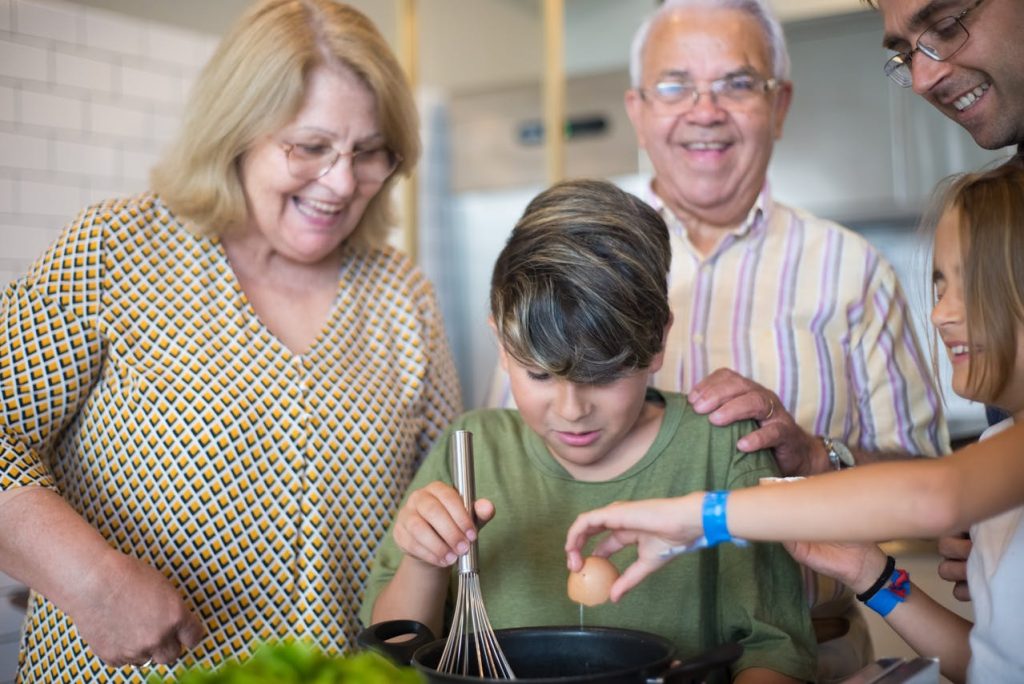
One of the most impactful aspects of multigenerational living is the role of grandparents.
In many homes, they provide:
- Childcare support
- Life experience and guidance
- Stability during busy work schedules
- Emotional grounding for children
- Cultural and family storytelling
At the same time, younger generations often help with:
- Technology support
- Transportation
- Home organization
- Health and appointment coordination
It becomes a reciprocal relationship rather than a one-way arrangement.
Challenges Families Are Learning to Navigate
Of course, shared living isn’t without complexity.
Families often need to navigate:
- Privacy boundaries
- Different routines and lifestyles
- Generational differences in communication
- Shared financial expectations
- Space limitations
Success often depends on clear communication and early boundary-setting.

How Families Make Multigenerational Living Work
Experts and families alike point to a few key strategies that make shared homes more successful:
Clear expectations from the start
Discuss responsibilities, schedules, and boundaries early.
Defined personal space
Even in shared homes, privacy matters.
Shared but flexible routines
Meals and family time are often structured but not rigid.
Open communication habits
Small issues are addressed early before they grow.
Respect for different lifestyles
Generational differences are acknowledged rather than corrected.
Why This Trend Feels Especially Relevant Today
As American families face rising living costs and evolving caregiving needs, multigenerational living offers something increasingly rare: stability through connection.
It’s not simply about sharing space it’s about sharing life in a more intentional way.
And for many households, that shift feels both practical and meaningful.
A Return to Something Familiar Reimagined for Modern Life
While the structure may feel newly popular, multigenerational living is far from new.
What has changed is how it’s being approached: with more flexibility, more design awareness, and more respect for individual autonomy within shared spaces.
In many ways, it’s a modern reinterpretation of a long-standing family tradition.
Final Takeaway
The rise of multigenerational living reflects a broader cultural shift: families are prioritizing connection, support, and resilience over separation.
And for many households across the U.S., living together again isn’t a step backward it’s a step toward a more supported way of life.