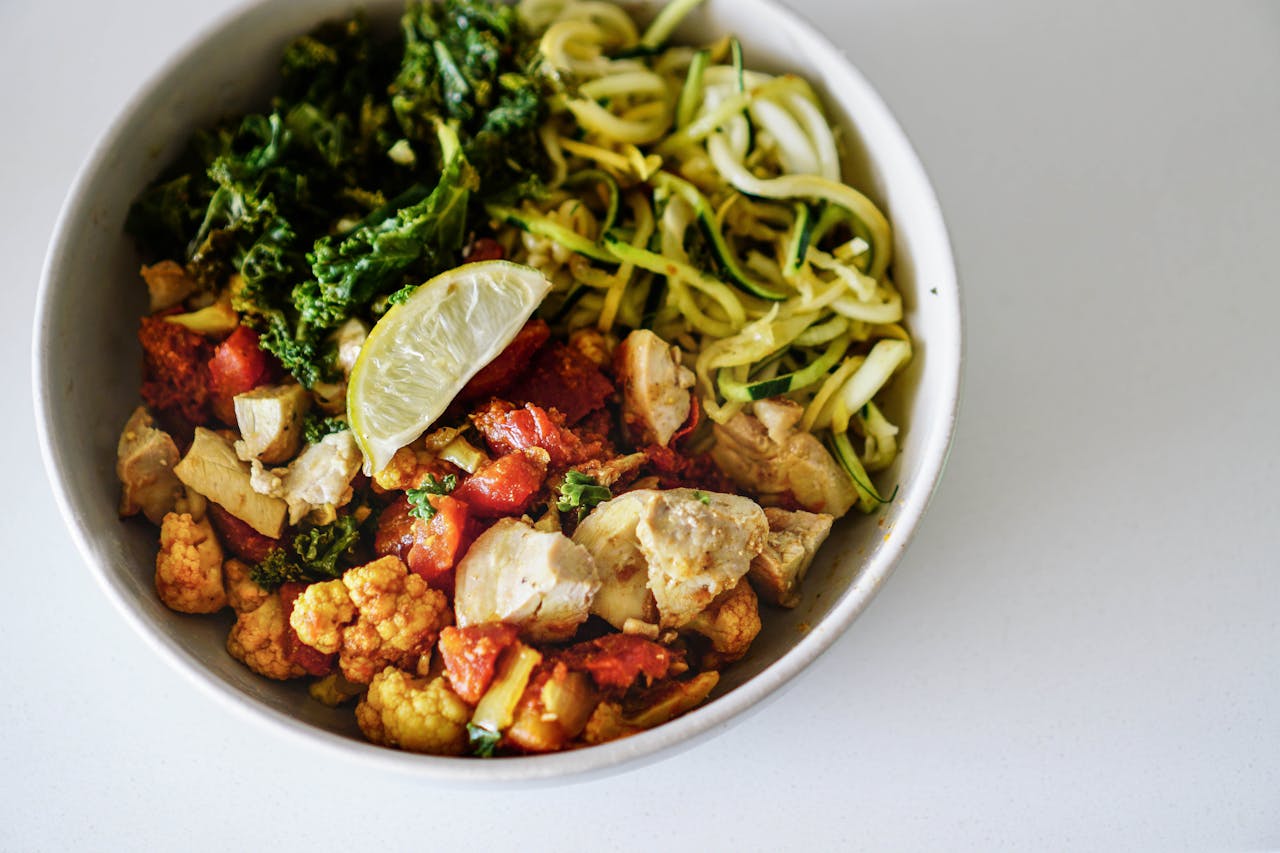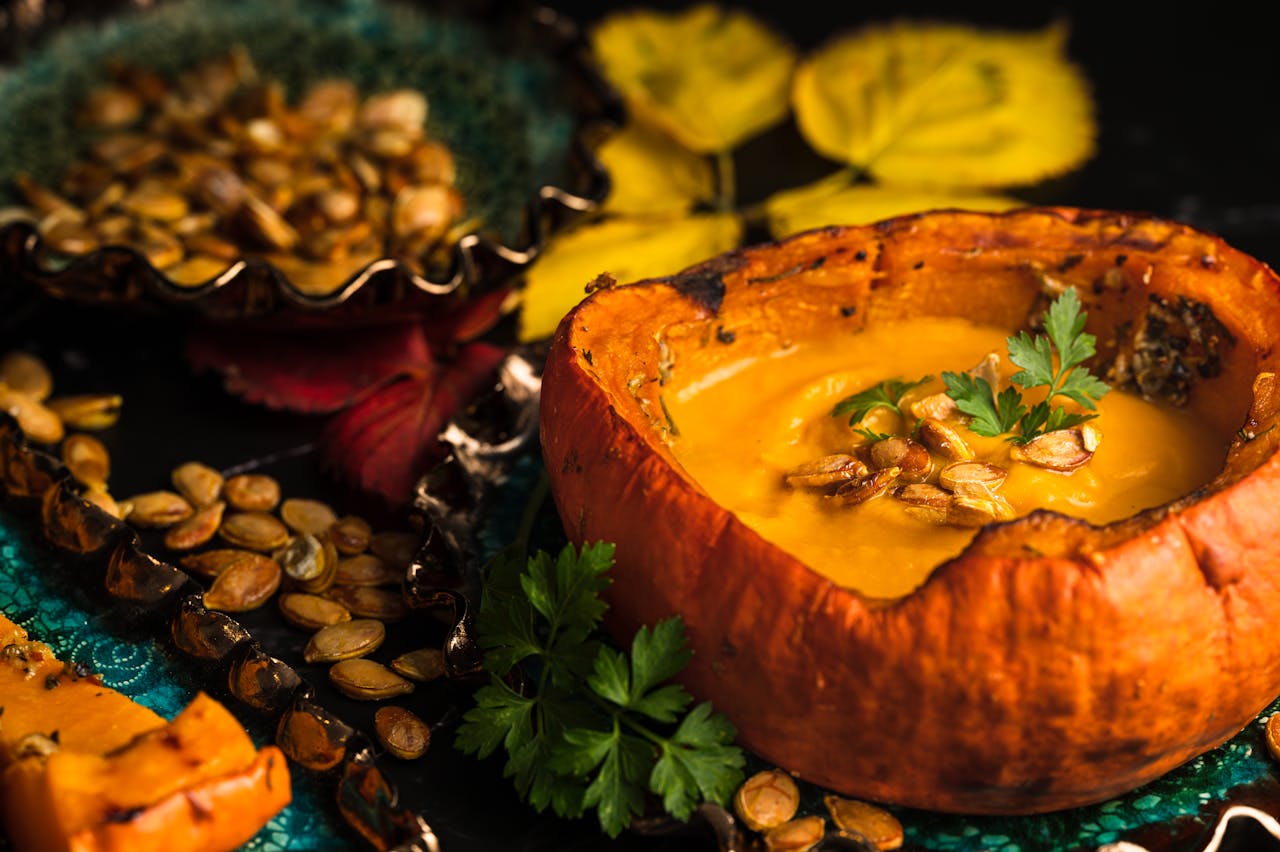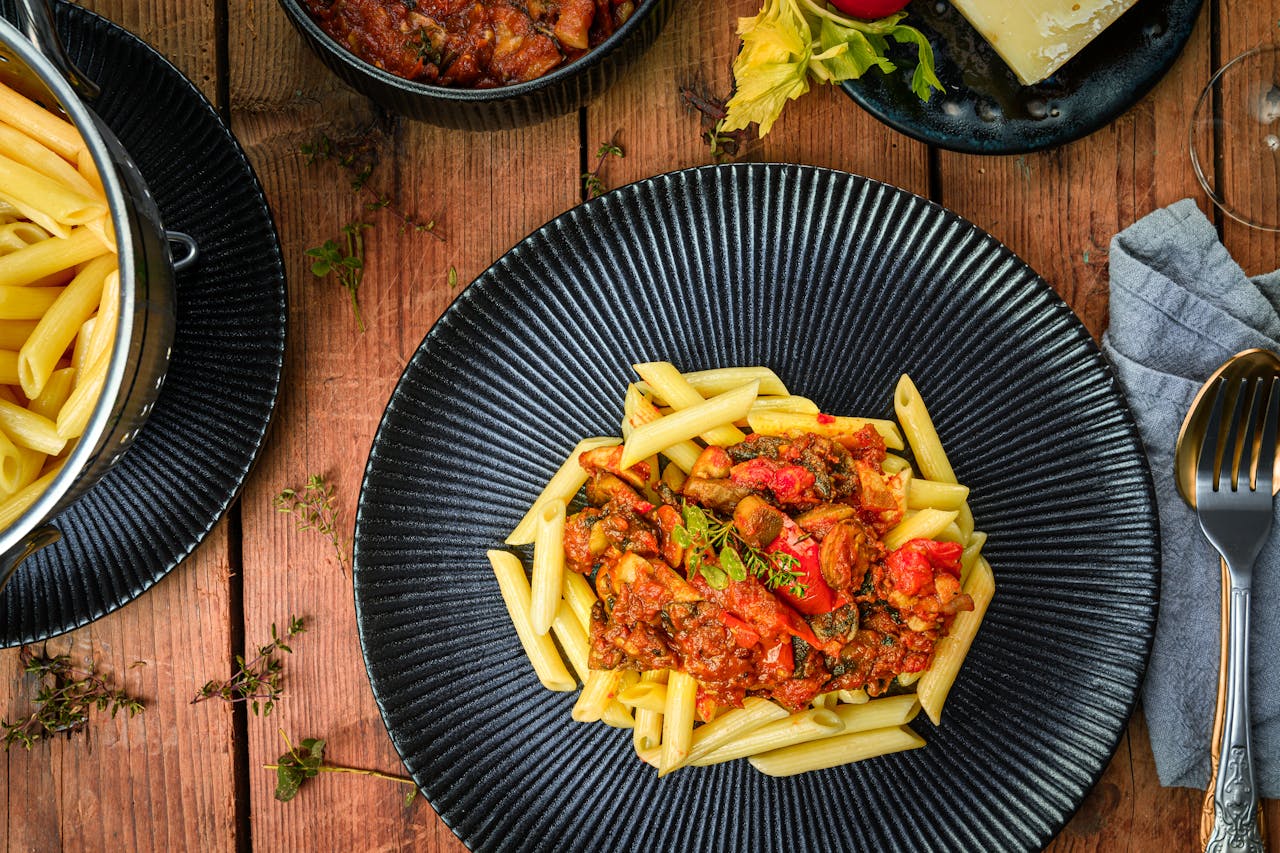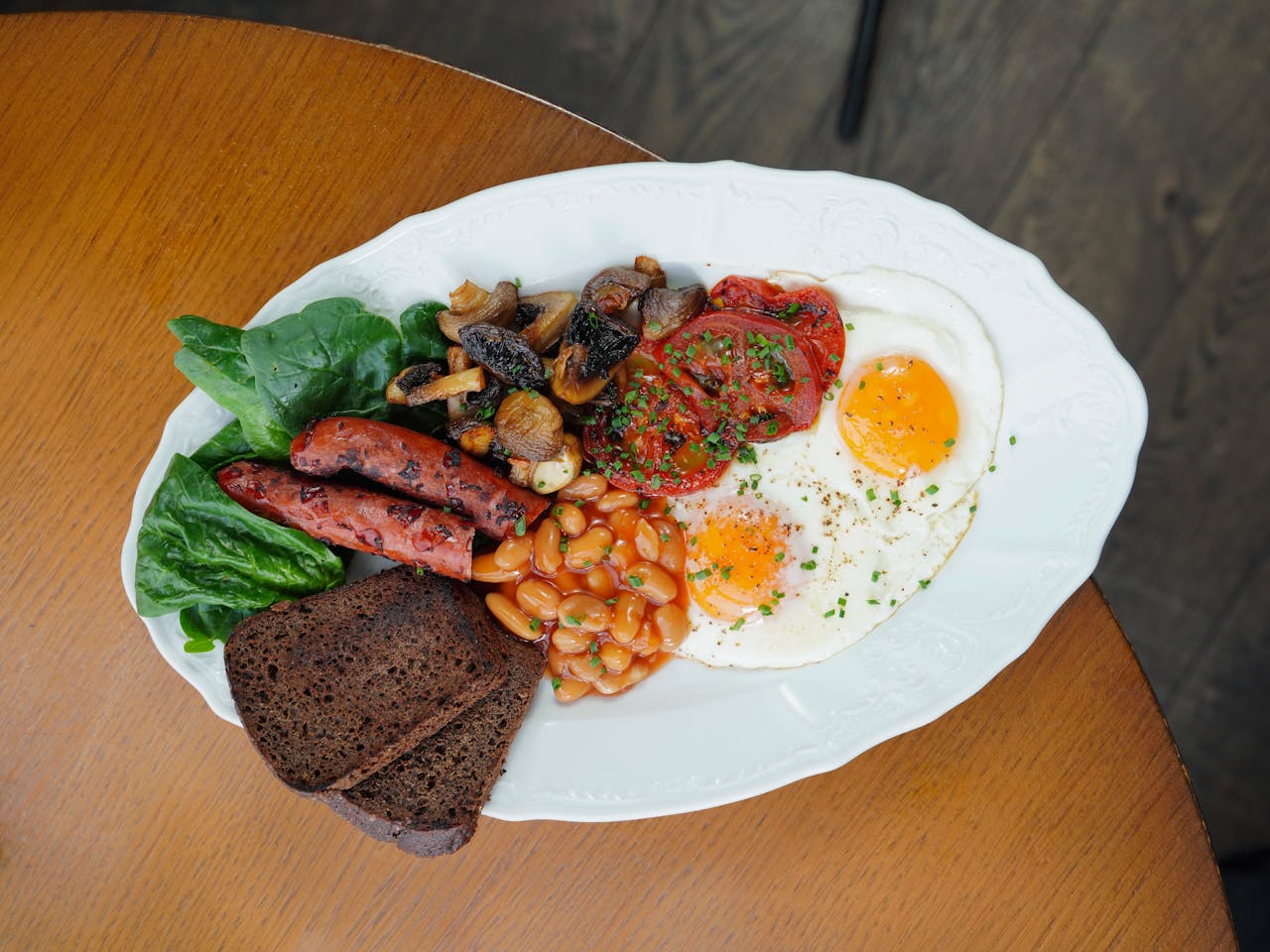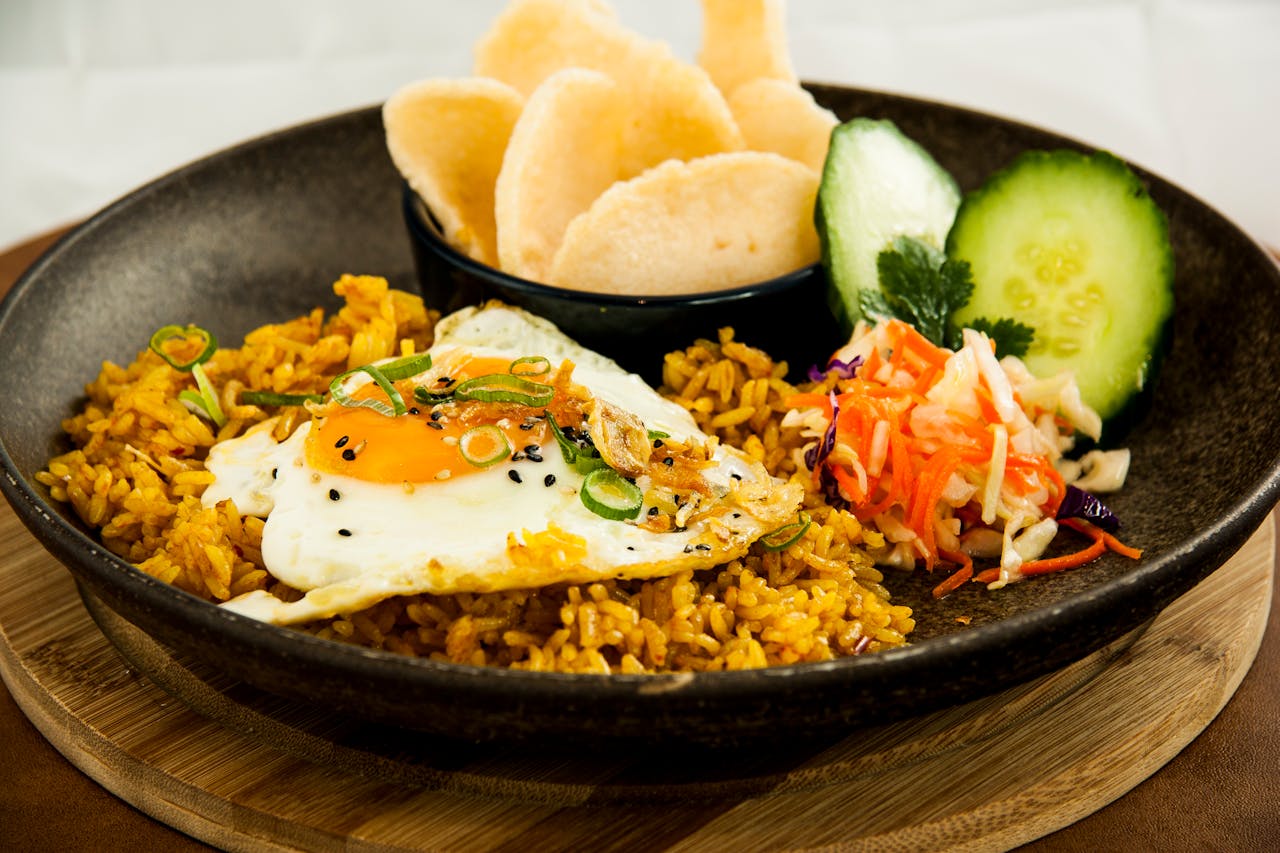
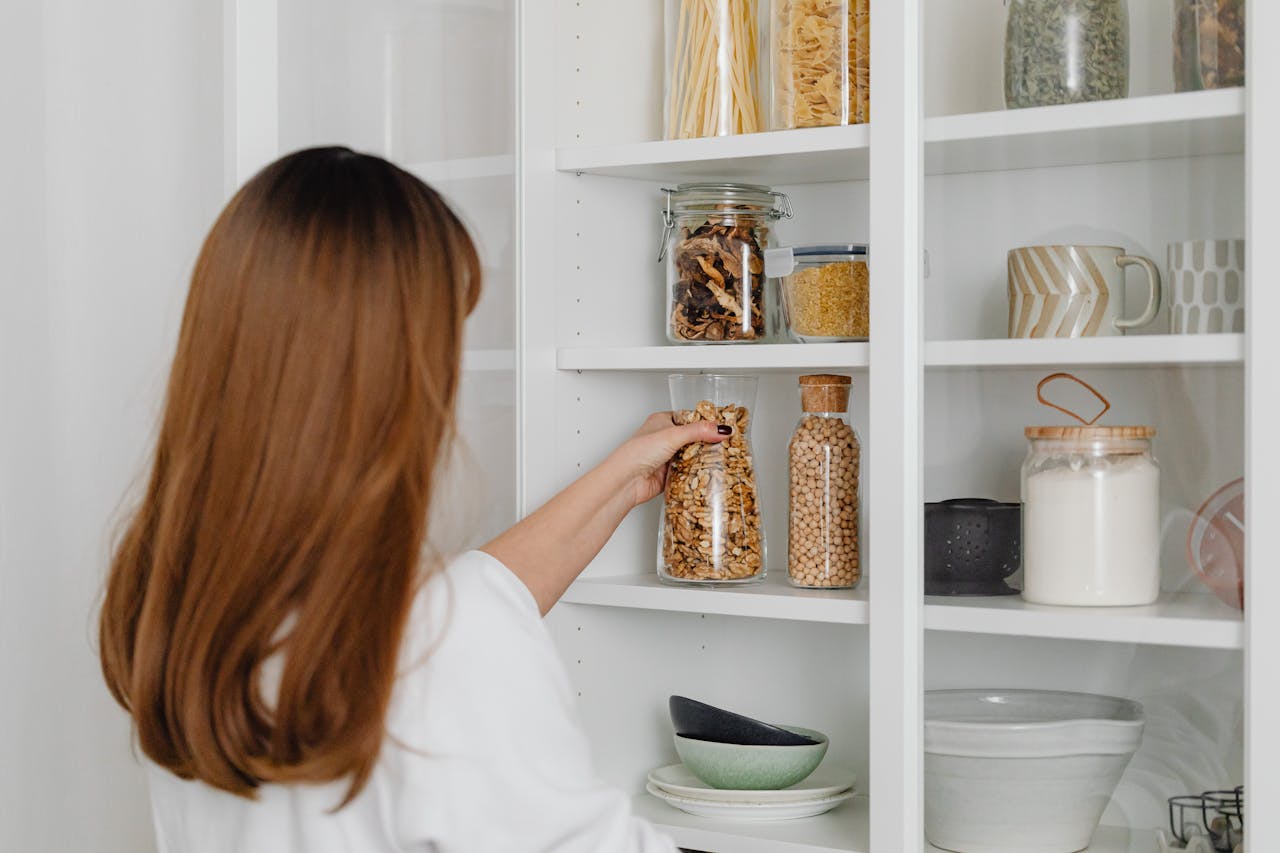
It’s not a viral recipe. It’s not a new diet. And it’s not tied to a single cuisine.
Instead, it’s a shift in mindset—one that’s turning everyday home cooks into global flavor explorers.
Food culture experts are calling it the “global pantry effect.” And it’s reshaping how Americans shop, cook, and think about dinner.
What Is the “Global Pantry” Trend?
At its core, the global pantry isn’t about cooking elaborate international dishes.
It’s about building a kitchen stocked with ingredients inspired by multiple food cultures so everyday meals feel more dynamic without requiring complicated recipes.
Think:
- Soy sauce alongside olive oil
- Harissa next to ketchup
- Coconut milk sharing shelf space with chicken broth
- Chili crisp sitting where hot sauce used to live
It’s not fusion cuisine in a restaurant sense. It’s fusion in everyday life.
Why American Home Cooking Is Becoming More Global
The rise of international flavors at home isn’t accidental. It reflects a broader cultural shift.
Several subtle forces are shaping it:
Travel-Inspired Taste Memory
More Americans are returning from trips abroad with new flavor expectations smoky spices, citrus-forward sauces, and layered heat.
Those memories don’t fade. They migrate into the kitchen.
Social Media’s “Flavor Exposure Effect”
Short-form food content has made global cooking feel accessible rather than intimidating.
A 20-second video can now introduce:
- A new spice blend
- A regional street food technique
- A sauce you’ve never heard of but suddenly want on everything
Grocery Stores Have Gone Global
Walk down any modern supermarket aisle and you’ll notice something different: international ingredients are no longer hidden.
They’re mainstream.
That accessibility is quietly changing what people cook on a Tuesday night.
The “Starter Kit” of a Global Pantry
You don’t need dozens of specialty ingredients to participate in this trend. Most home cooks start with a small, flexible base.
Here’s what often makes the cut:
Core Flavor Builders
- Soy sauce or tamari
- Olive oil + sesame oil
- Vinegars (rice, balsamic, apple cider)
- Citrus (lemons, limes)
Heat + Depth
- Chili crisp
- Harissa paste
- Smoked paprika
- Red pepper flakes
Creamy or Balancing Elements
- Coconut milk
- Yogurt or labneh
- Tahini
Aromatics That Travel Across Cuisines
- Garlic
- Ginger
- Scallions
- Fresh herbs (cilantro, parsley, basil)
The magic isn’t in having everything it’s in knowing how to combine a few well.
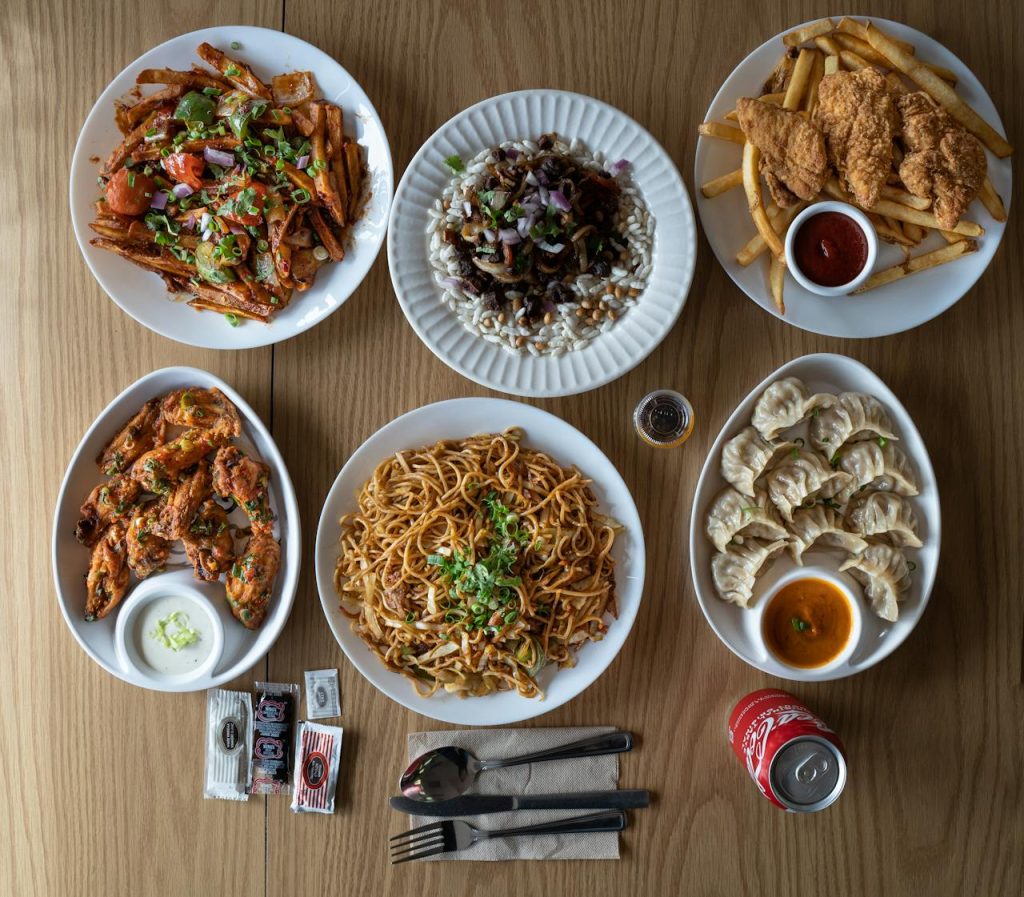
How Global Pantry Cooking Shows Up in Real Life
What makes this trend so compelling is its subtlety. It doesn’t demand new recipescit transforms existing ones.
A few real-world examples:
- Scrambled eggs finished with chili crisp instead of hot sauce
- Roasted vegetables drizzled with tahini and lemon
- Chicken bowls elevated with soy-ginger glaze
- Pasta enhanced with miso or anchovy for umami depth
Nothing feels unfamiliar. Yet everything tastes upgraded.
The Rise of “Cultural Layering” in Home Kitchens
Food writers are increasingly describing this shift as cultural layering a way of cooking that blends inspiration without strict boundaries.
It’s not about authenticity policing. It’s about curiosity.
Home cooks are asking:
- What happens if I add miso here?
- Could this dish benefit from lime instead of lemon?
- What if I finish this with sesame oil instead of butter?
These small experiments are creating entirely new everyday cuisines.
Why This Trend Feels Different From Past Food Fads
Unlike short-lived food trends, the global pantry movement isn’t tied to novelty.
It’s tied to utility.
It works because:
- It reduces meal fatigue
- It makes leftovers more interesting
- It encourages creativity without complexity
- It builds confidence in the kitchen
In other words, it doesn’t replace what people already cook it expands it.
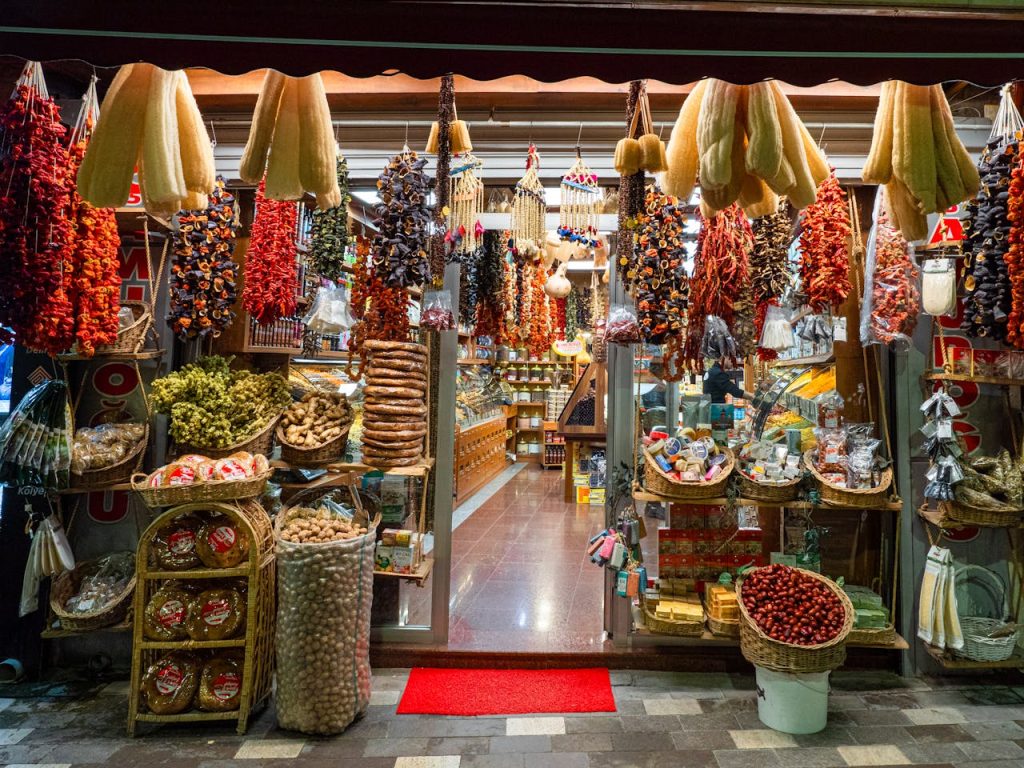
How to Start Without Overthinking It
The easiest entry point isn’t buying everything at once. It’s choosing one or two flavor shifts.
Start small:
- Add one international sauce to your rotation
- Swap a familiar seasoning for a global alternative
- Experiment with finishing oils or vinegars
- Try layering flavors instead of cooking them separately
The goal isn’t perfection it’s curiosity.
The Bigger Cultural Shift Happening in Kitchens
At a deeper level, the global pantry trend reflects something larger: food is becoming less about borders and more about blending influences naturally.
American kitchens are evolving into spaces where:
- Flavor is exploratory
- Recipes are flexible
- Tradition and innovation coexist
And perhaps most importantly, dinner is becoming a little more interesting again.
The Bottom Line
The global pantry effect isn’t a trend you follow it’s a habit you build.
It lives in the small decisions: the sauce you reach for, the spice you add, the ingredient you experiment with on a quiet weeknight.
And over time, those decisions don’t just change your cooking.
They change your palate entirely.