Between work, school runs, and the constant hum of daily life, home cooks are rethinking the way they approach food. Not by cooking more… but by cooking smarter.
And the biggest trend leading that change? A streamlined, 15-minute meal prep system designed to make weeknights feel almost effortless.
It’s not about perfection. It’s about flow.
Why Traditional Meal Prep Burned Out So Many People
For years, meal prep meant Sunday afternoons lost to cutting, portioning, labeling, and stacking containers like a food-storage puzzle.
It worked until it didn’t.
Today’s home cooks are opting out of rigid systems in favor of something more flexible:
- Less batch cooking, more “ingredient readiness”
- Less repetition, more adaptable building blocks
- Less pressure, more breathing room in the kitchen
The goal isn’t to pre-make every meal. It’s to eliminate friction when it’s time to cook.
The 15-Minute System: A Smarter Way to Prep Without Overthinking It
This approach is built on one simple idea:
You don’t need more time you need fewer decisions.
Here’s how it works in practice.
Step 1: Choose 3–4 “Foundation Ingredients”
Think of these as your kitchen anchors for the week.
Examples:
- Roasted chicken or plant-based protein
- A grain like rice, quinoa, or couscous
- One roasted vegetable tray
- A fresh, pre-washed salad base
No elaborate seasoning strategies. No complicated recipes. Just versatile components.
Step 2: Prep in “Overlap Mode,” Not Batch Mode
Instead of prepping one meal at a time, you cook everything that shares similar steps.
While your oven is on:
- Roast vegetables
- Cook protein
- Warm grains on the stove
This is where the 15-minute mindset comes in not because everything is cooked in 15 minutes, but because active effort stays minimal and clustered.
Step 3: Build, Don’t Cook, During the Week
This is where the system really shines.
Weeknight meals become assembly, not cooking:
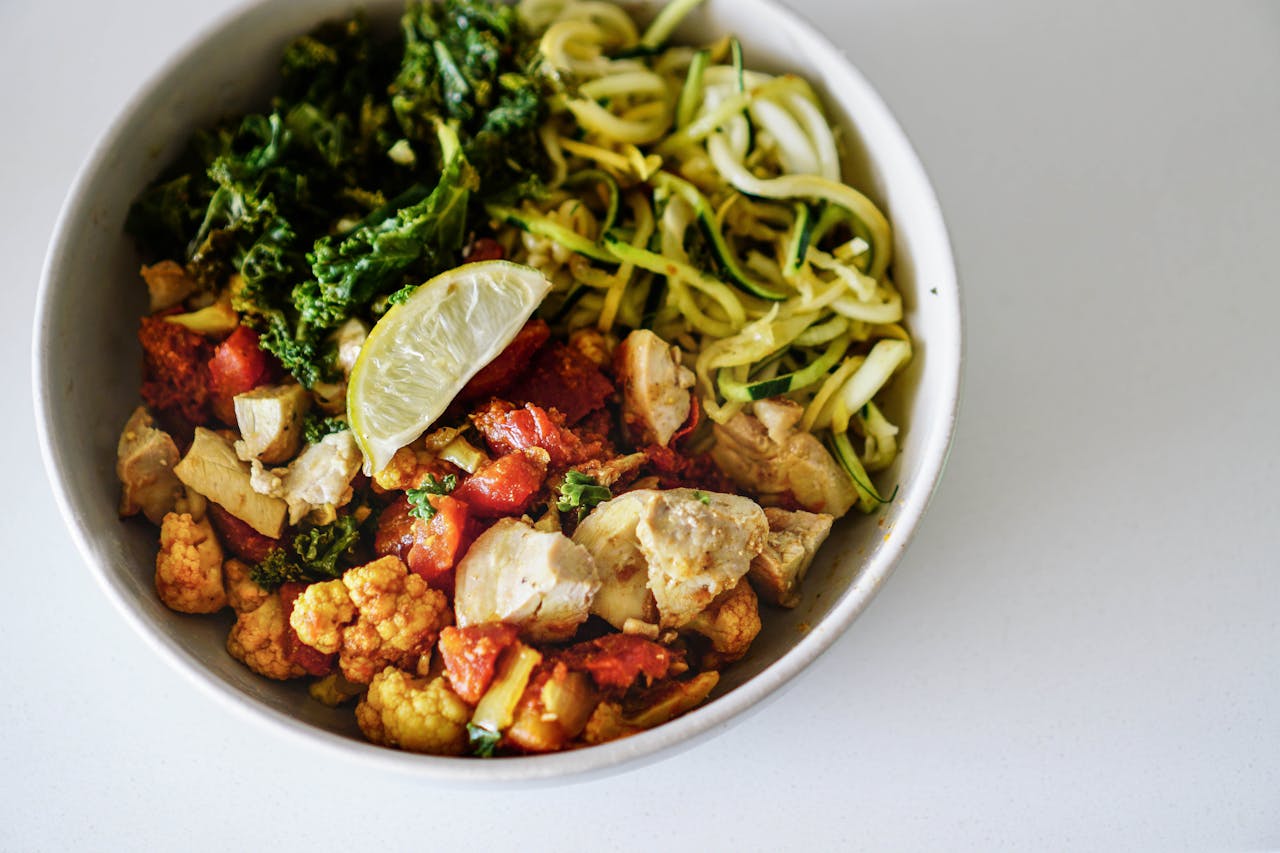
- Grain bowls
- Wraps and sandwiches
- Simple skillet dinners
- Quick salads with protein add-ons
You’re no longer starting from scratch you’re composing.
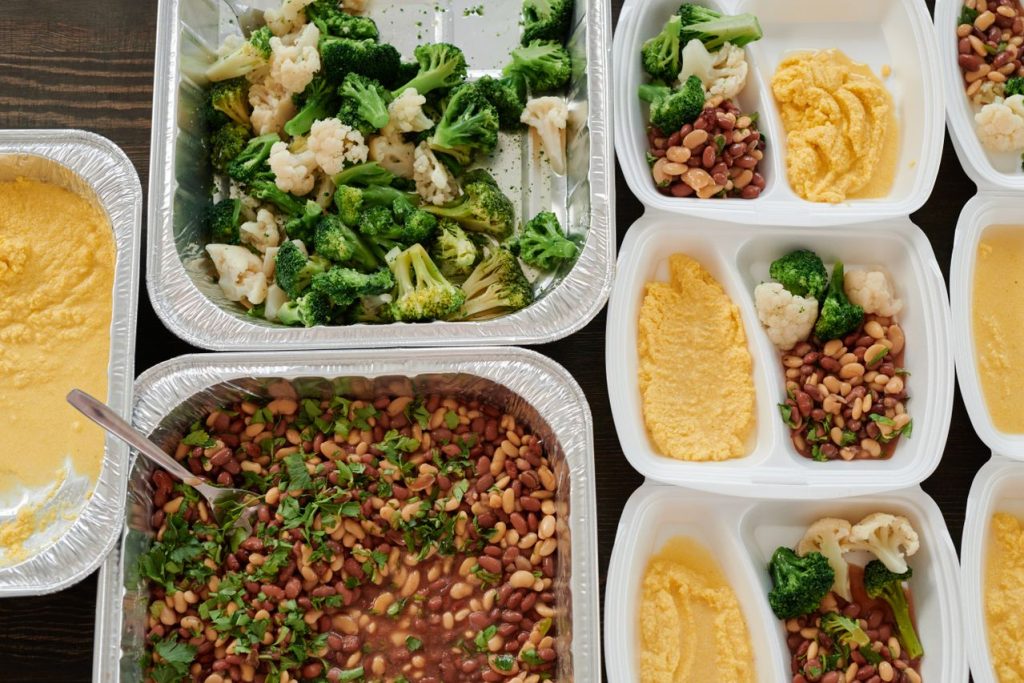
The Real Secret: A “Semi-Ready” Kitchen Wins Every Time
Professional chefs often talk about mise en place everything in its place. But home kitchens don’t need restaurant precision. They need usable readiness.
That means:
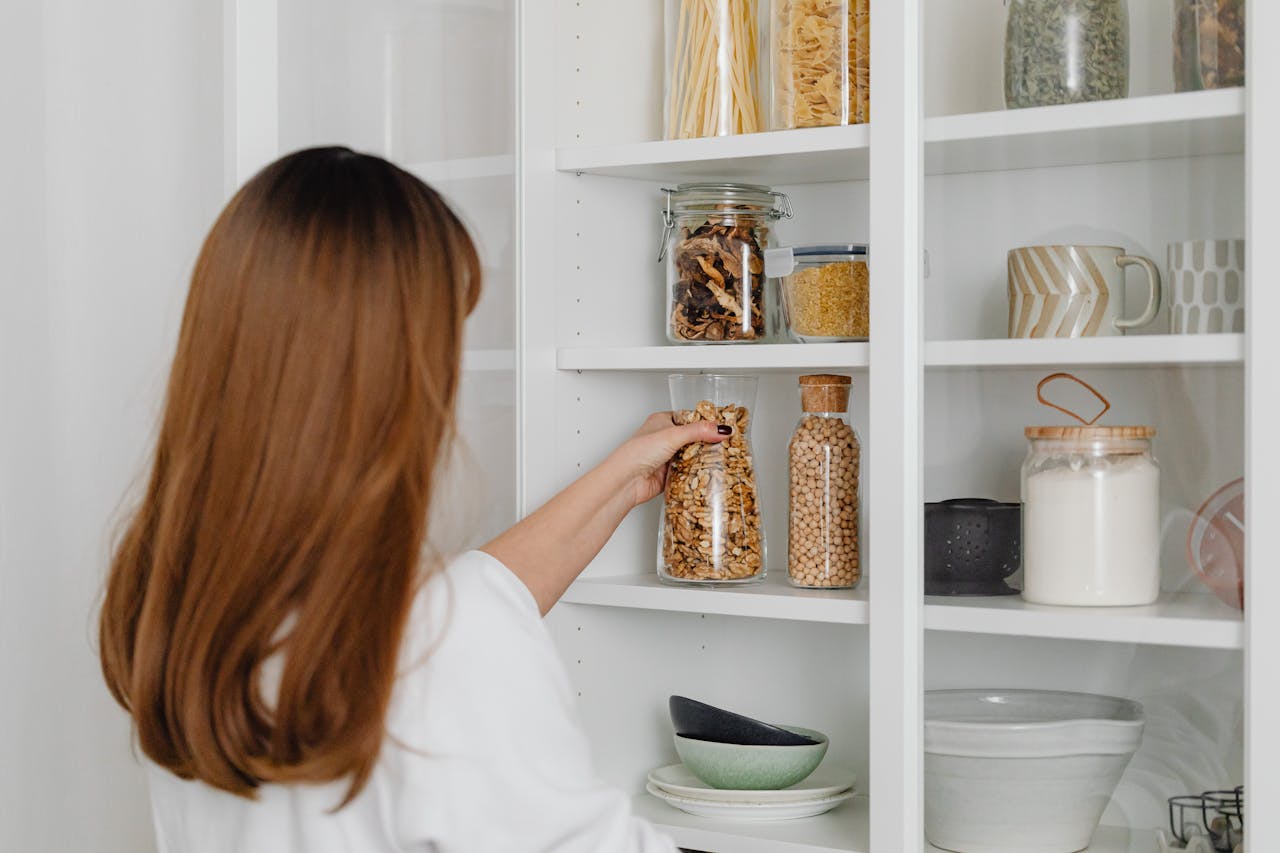
- Washed produce visible at eye level
- Pre-cooked staples ready to mix and match
- Sauces and dressings pre-made or store-bought but high quality
- Clear containers that make ingredients easy to grab
It sounds simple, but visually organized kitchens reduce decision fatigue more than most people realize.
Small Habits That Make a Big Difference
If the 15-minute system feels too simple to matter, that’s exactly the point.
The real transformation comes from small shifts like:
- Pre-chopping vegetables right after grocery shopping
- Cooking extra grains “by default,” not intention
- Keeping a rotating “grab-and-go” protein ready
- Using the same 2–3 versatile sauces weekly
These habits stack quietly in the background, saving hours over time.
What This Approach Gets Right (That Traditional Meal Prep Misses)
This system isn’t trying to turn home cooks into meal-prep influencers. It’s designed for real life.
Here’s what makes it different:
- Flexibility over rigidity
- Speed without sacrifice
- Less food boredom
- Lower mental load during the week
In other words, it’s not about cooking more efficiently it’s about thinking less about cooking altogether.
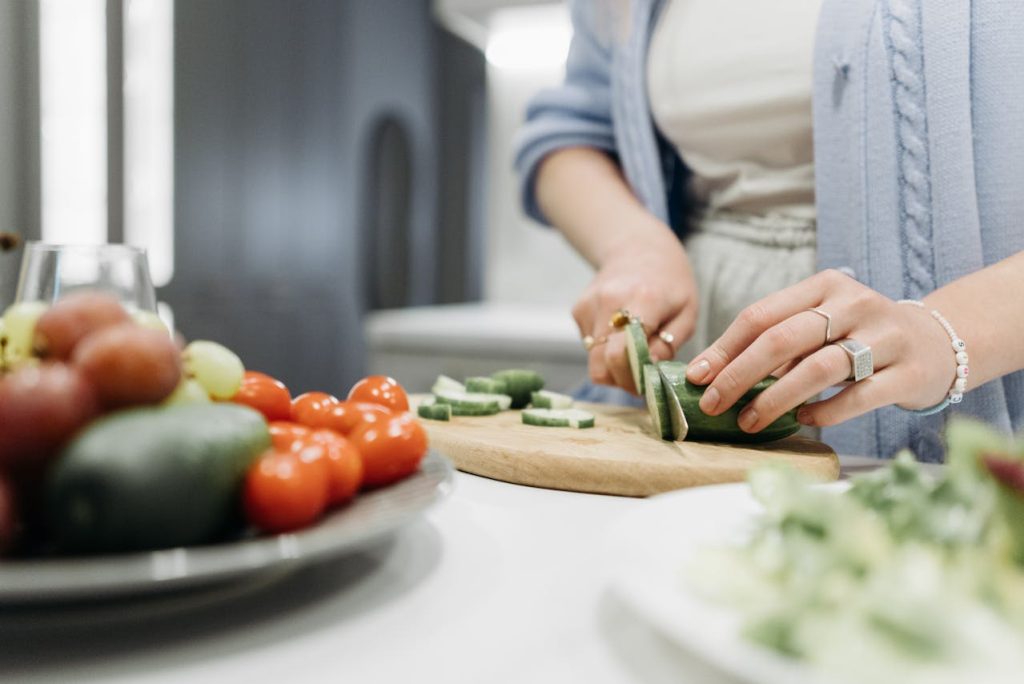
A Weeknight Dinner Starts to Feel… Easier
There’s a noticeable shift that happens once the system clicks.
Instead of:
“What am I going to make tonight?”
It becomes:
“What do I feel like building?”
That small change reframes the entire kitchen experience.
And for many households, that’s where the real value lives not in the food itself, but in the calm it creates around it.
The Bottom Line
The rise of the 15-minute meal prep system isn’t about shortcuts. It’s about redesigning the way we interact with food during busy weeks.
It’s efficient without being rigid, structured without feeling restrictive, and simple enough to actually stick.
And in today’s fast-moving routines, that balance might be the most valuable recipe of all.