Between rising airfare prices, hotel fees, and impulse bookings, even a short getaway can quickly stretch a budget. But seasoned travelers know something most vacationers don’t: traveling well isn’t always about spending more. It’s about planning smarter.
The good news? A few strategic habits can dramatically reduce costs while actually making trips feel smoother, more comfortable, and less stressful.
Here are the smart budget travel tricks frequent flyers swear by in 2026.
Book Flights on Tuesdays and Wednesdays
It sounds simple, but timing still matters.
Midweek searches often reveal lower fares compared to weekend browsing, especially for domestic U.S. flights. Flexible travelers can sometimes save hundreds simply by shifting departure dates by a day or two.
Pro tip:
- Use fare tracking tools before booking
- Compare nearby airports
- Avoid peak Friday evening departures when possible
Even small timing changes can make a noticeable difference.
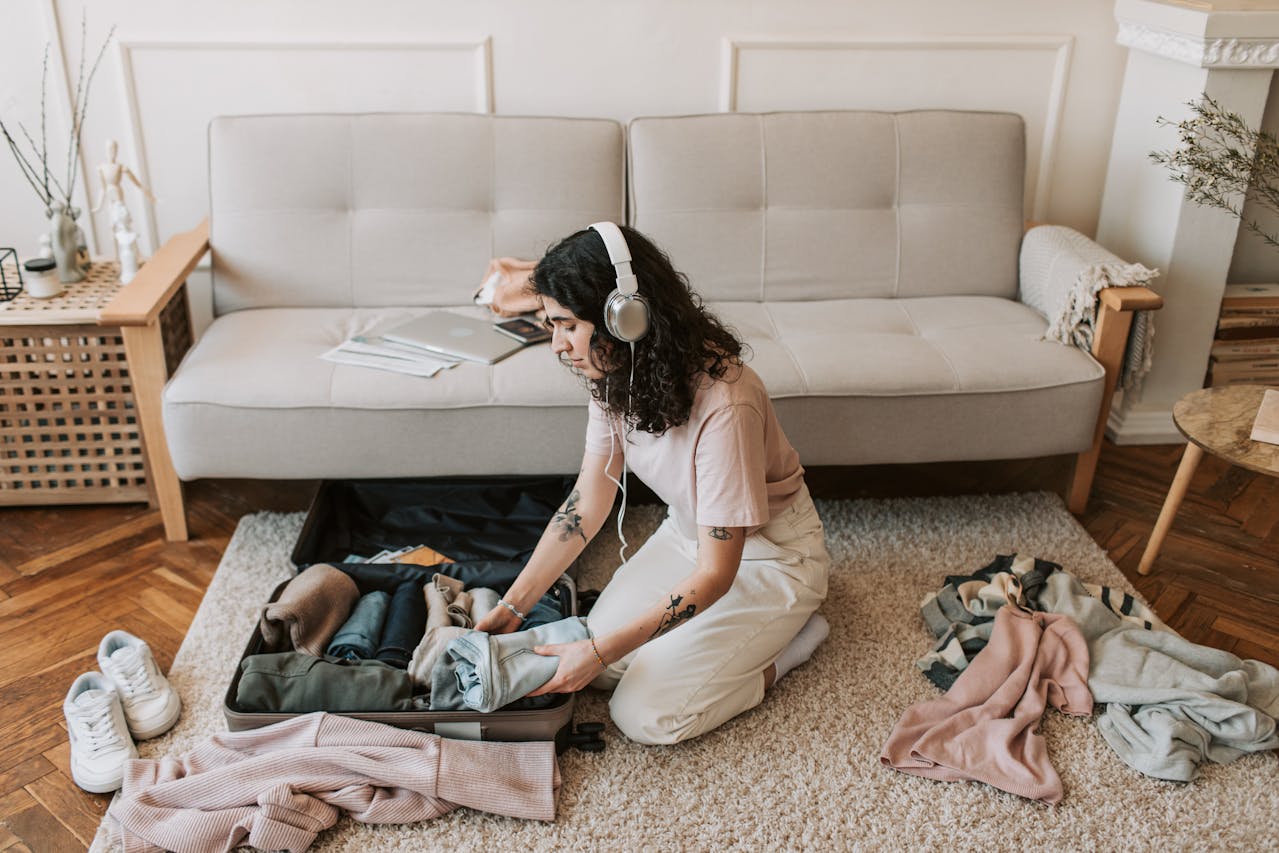
Stop Overpacking
Most travelers don’t realize how much overpacking costs them.
Checked baggage fees, heavier luggage, rideshare upgrades, and unnecessary stress all add up quickly. Smart travelers build capsule-style travel wardrobes that work across multiple outfits and occasions.
Essentials that work best:
- Neutral basics
- Comfortable sneakers
- Layer-friendly pieces
- Lightweight carry-ons
Packing lighter often makes trips feel far more efficient.
Choose Hotels Near Public Transportation
A lower hotel rate outside the city center may not actually save money once transportation costs are added in.
Frequent travelers often prioritize:
- walkability,
- airport train access,
- subway proximity,
- and nearby essentials like coffee shops or grocery stores.
A slightly pricier hotel in a better location can reduce daily spending significantly.
Use One Credit Card for All Travel Expenses
Organization matters more than people think.
Using a single travel-focused credit card makes it easier to:
- track spending,
- monitor rewards,
- manage receipts,
- and avoid surprise charges later.
Many travelers also use this strategy to build points for future trips without changing spending habits dramatically.
Travel During “Shoulder Season”
One of the biggest secrets in budget travel?
Avoid peak season whenever possible.
“Shoulder season” – the period between peak and off-season travel – often offers:
- lower airfare,
- cheaper hotels,
- shorter lines,
- and better overall experiences.
For example:
- Europe in September
- Beach destinations in late spring
- U.S. cities in early fall
The experience is often calmer and more enjoyable.
Build a Simple Travel Emergency Fund
Unexpected travel costs happen constantly:
- delayed flights,
- weather changes,
- lost luggage,
- last-minute bookings.
Frequent travelers often keep a separate travel buffer specifically for emergencies. Even a modest backup fund can prevent unnecessary stress during trips.
It’s less about luxury – and more about flexibility.
Don’t Eat Every Meal Near Tourist Attractions
This is one of the fastest ways to overspend.
Restaurants directly near major attractions usually charge premium prices for average food. Experienced travelers often walk just a few blocks away to find:
- better meals,
- more authentic local spots,
- and significantly lower prices.
Local coffee shops and neighborhood diners often end up being trip highlights.
Use Free City Experiences
Some of the best travel memories cost nothing.
Many U.S. cities now offer:
- free museum days,
- waterfront events,
- public parks,
- walking tours,
- and seasonal festivals.
Budget-conscious travelers often mix paid experiences with free local activities to create more balanced trips.

Plan One “Anchor Experience”
Not every part of a trip needs to feel expensive.
A common strategy among smart travelers is choosing:
- one premium dinner,
- one upgraded hotel night,
- or one bucket-list activity,
…while keeping the rest of the trip budget-friendly.
This creates a more luxurious experience without overspending across the board.
Avoid Last-Minute Airport Purchases
Airport convenience pricing can quietly destroy travel budgets.
Frequent flyers usually bring:
- reusable water bottles,
- snacks,
- chargers,
- and entertainment beforehand.
The savings may seem small initially, but repeated trips make the difference noticeable over time.
Create a “Travel Day Uniform”
It may sound excessive – until you try it.
Many experienced travelers wear nearly the same outfit every flight:
- comfortable joggers,
- breathable tee,
- light jacket,
- and supportive shoes.
The result?
- Less decision fatigue
- Easier packing
- More comfortable travel days
Small systems often make travel feel dramatically smoother.
Focus on Experiences, Not Perfection
Social media has quietly made many vacations feel performative.
But the travelers who enjoy trips most usually focus less on “perfect itineraries” and more on:
- meaningful experiences,
- flexibility,
- spontaneity,
- and comfort.
Ironically, this mindset often leads to both better memories and smarter spending.
The Bottom Line
Budget travel no longer means sacrificing comfort.
Today’s smartest travelers optimize for:
- flexibility,
- planning,
- convenience,
- and intentional spending.
And often, those habits lead to vacations that feel less stressful and more memorable overall.
Because in the end, traveling smarter usually matters far more than simply spending more.